


In the last decade, there has been a growing interest from people in not only living longer but healthier too. According to a survey by McKinsey, 6 out of 10 people put healthy ageing as a top priority in their lives.
This growing interest has led to a boom in wellness and health products.
When you think about healthy living, two common terms that come up are healthspan and lifespan. Whilst they are related concepts, they measure different aspects of ageing.
To understand these concepts, we’ll take a closer look at healthspan vs lifespan, what influences them, and practical ways to support healthy ageing.
What Does Lifespan Mean?
Lifespan is the total length of a person’s life.
This is a simple explanation, as there are more terms that revolve around lifespan, such as maximum lifespan and life expectancy.
Whereas lifespan relates to the individual, maximum lifespan is the term used to describe the highest recorded age of a human. Currently, the maximum lifespan of a human is 122, which was achieved by a French woman called Jeanne Calment, who died in 1997.
Life expectancy is the average age that a population will live and differs from country to country. According to the latest government release, the life expectancy in the UK is 83.0 years for females and 79.1 years for males.
These numbers are subject to change as genetics, environment, healthcare access and lifestyle can all influence longevity.
What Does Healthspan Mean?
Whereas lifespan is about the length of a life, healthspan is the time you spend in good health and without significant disease or disability.
The core factors that are looked at to determine healthspan include physical function, cognitive health, independence and quality of life.
Though these factors are commonly considered, there is no universally agreed measurement of healthspan by scientists or medical professionals. A study last year found that there are currently 187 unique healthspan definitions worldwide.
The current healthspan in the UK is 60.7 years for males and 60.9 years for females.
Healthspan vs Lifespan: What Is the Difference?
Healthspan vs lifespan. They’re related but different. Your lifespan is the number of years you are alive; healthspan is the number of those years that you spend in good health.
This means that someone can have a long lifespan but spend many of their later years managing illness or disability, resulting in a shorter healthspan.
At the core of increasing lifespan and healthspan is the idea of compressing morbidity. This is a concept in public health where you aim to reduce, as much as possible, the period towards the end of your life where you are managing health issues and in hospital. If morbidity is decreased, that means the end-of-life decline is much shorter, and hopefully means you are healthy for longer.
When looking at longevity, it’s always important to remember that living longer doesn’t mean you’ll be healthy for that all that time.
What Influences Your Healthspan?
There are some factors that may influence the healthspan that you cannot control.
- Age: If you are older and have gone through life changes, it may not have as large an effect on increasing healthspan.
- Genetics: Your genes can play an important part, as a recent study found that 50% of the variation in human lifespan may be related to genetics.
- Chronic Conditions: If you live with serious conditions such as cardiovascular issues, neurodegenerative diseases and cancer, this will impact your healthspan.
There are factors, though, that you can control to affect your healthspan, including:
- Physical activity will keep your heart and lungs working better, improve bone strength and keep you more steady as you age.
- Nutrition is important, as you should eat a balanced diet to give your body the correct fuel, avoiding ultra-processed foods and not having too much sugar and fat.
- Sleep helps restore your body, boost your immune system, support your memory and leave you with more energy.
- Limiting alcohol and tobacco is a must, as these can bring on lifelong avoidable health conditions.
- Preventative healthcare, like doing health screenings, getting vaccinations, and staying on top of existing conditions, will go a long way to helping your healthspan.
- Social connection, reducing stress and looking after your mental health are also vital to your health as you age, as these help you have a sharper mind, reduce inflammation and have less mental strain. A report from WHO has even linked social connection to reducing the risk of early death.
Can You Measure Your Healthspan?
There is no single test that can determine healthspan. Currently, research around biological-age tests and biomarkers is still developing and may eventually produce definitive tests for healthspan.
At the moment, you, physicians, and researchers go by several indicators that can help determine healthspan. The core elements of healthspan are:
- Mobility
- Strength
- Cardiovascular health
- Cognitive function
- Ability to complete everyday activities
Any commercial test or healthspan assessment you undergo should not be treated as a diagnosis or definitive prediction of longevity. Your healthspan can change and can be unpredictable; you should focus on making suitable changes to start living healthier.
Where Does NAD+ Fit Into Healthy Ageing Research?
NAD+ is a naturally occurring coenzyme contained within every cell, involved in cellular energy metabolism and many other important biological processes.
There are now more studies taking place, looking at the benefits of NAD+ and how the processes it can affect, such as metabolism, relate to ageing. At the moment, the emerging biological research does not prove that any NAD+ product can extend human lifespan or healthspan.
NAD products are not universal either. There is research into NAD+, NAD+ precursors such as NR and NMN, which are easier for your body to absorb than NAD+ and how effective different delivery methods are. There is a lot to research to find the best formula and method for boosting NAD+ levels.
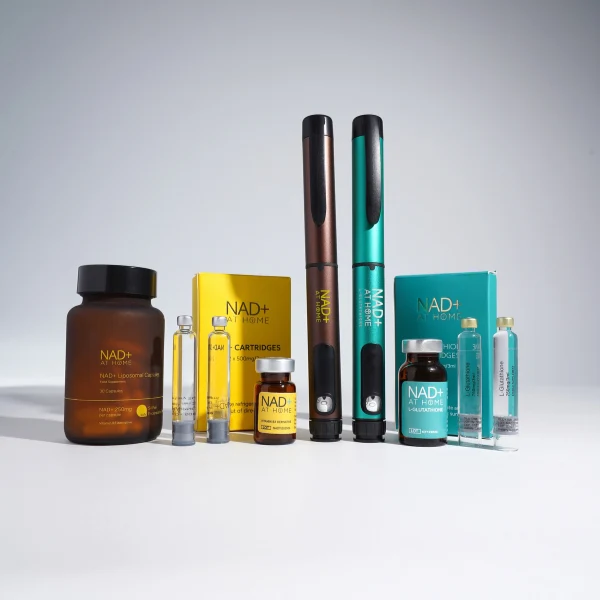
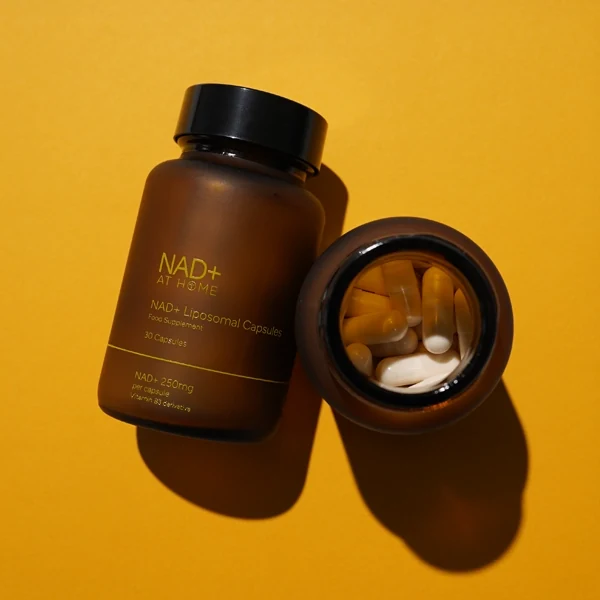
If you are interested in how NAD+ may help, take a look at products in the NAD+ At Home range, such as our injection kit, for more helpful information.
Practical Ways to Support Healthy Ageing
Supporting healthy ageing is nothing you should panic about. You should focus on building sustainable habits rather than trying to find extreme anti-ageing routines and shortcuts.
Major habits you should start to improve your current health, boost your NAD+ levels and perhaps help you age more healthily include:
- Regular movement to strengthen heart and lungs, reduce stress and improve overall health.
- Resistance exercise to help with bone strength and muscles.
- Balanced nutrition for key nutrients and fuel for your body.
- Adequate sleep for better rest.
You should also not view your doctor as a last resort. Keep up with appropriate check-ups, vaccinations and health screenings to ensure everything is okay.
If you are interested in incorporating supplements or injectable wellness products into your life, you should first speak to a qualified healthcare professional.
Focus on Living Better, Not Just Longer
Healthspan and lifespan should not be used interchangeably. A long lifespan does not mean that you are living well and healthily, so the focus should be on improving your quality of life.
If you are living healthier, there is likely more chance you’ll live longer.
Even if living longer is your goal, there is no individual health routine or product that can guarantee a longer or disease-free life, as health issues can hit any person without rhyme or reason.
You should focus instead on living more healthily and using evidence-based behaviours that support long-term health and independence, rather than trying out single products that make miracle claims.
Exercising, eating well and doing things that make you feel better will help you in the long run and make the years you are living more worthwhile.
Support Your Healthy Ageing Today
If you are interested in healthy ageing and how NAD+ may support this, explore our range of NAD+ At Home products today.
Before you purchase any product, you should review the product information carefully and seek professional medical advice. Your health should be at the forefront of all the decisions you make around supplements and new health regimes.
For more information about our products, get in touch with NAD+ At Home today.



 English (UK)
  Arabic
  Spanish
  German
  French
  English (United States)
  English (Australia)