

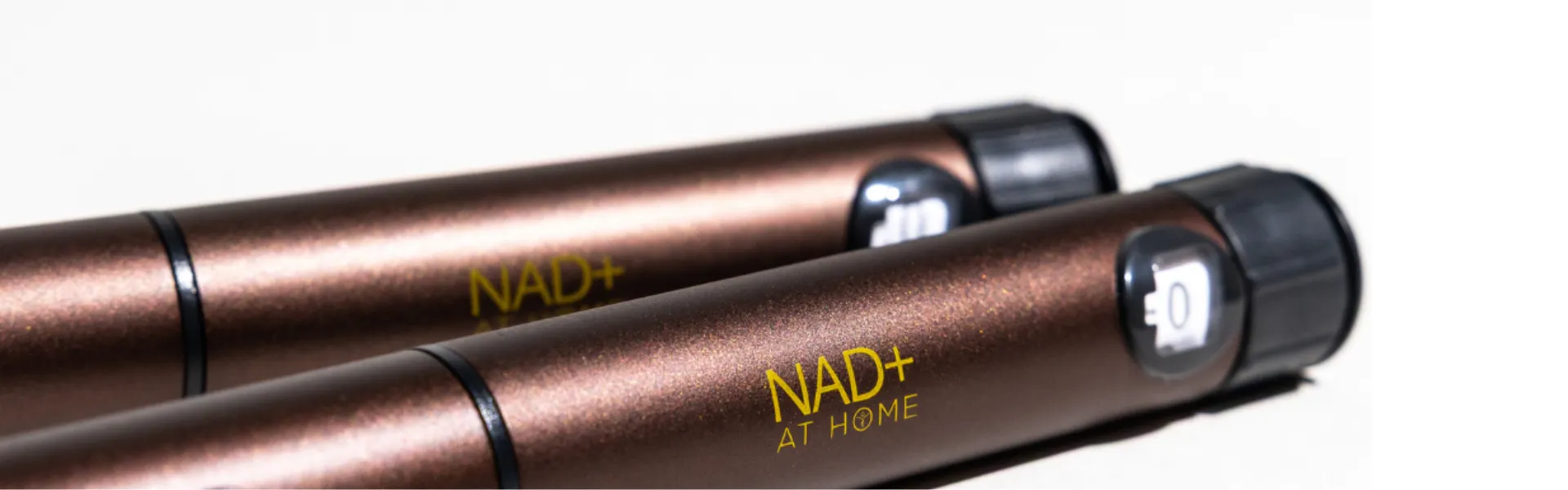
NAD is a coenzyme found in every cell in our bodies. It is involved in many essential processes, and boosting NAD+ levels could have many long-term benefits to health and wellbeing.
NAD injections are becoming an increasingly popular way to support cellular NAD+ levels, but many people may be unsure about what the process involves and which injection method is used.
The fact is, there are a number of delivery methods, each with different characteristics. NAD+ supplements can be taken orally, usually in capsule form. NAD injections tend to be more effective, however, as this type of delivery system has better bioavailability. NAD+ can also be delivered intravenously. There are also two main different types of injection – subcutaneous NAD injections and intramuscular NAD injections.
So are NAD injections subcutaneous or intramuscular? The answer is that they can be both, but there are some major differences between the two injection techniques…
What Is NAD+?
NAD, or Nicotinamide Adenine Dinucleotide, is as a coenzyme found in every cell – not only in humans but in every living organism. You could say it is one of the vital building blocks of life.
NAD+ is simply one of two forms of NAD, the other being NADH. The difference comes down to whether the molecule is carrying electrons or not.
NAD+ plays a role in a number of bodily functions but is primarily involved in cellular energy production, DNA repair, mitochondrial function and longevity.
In practical terms, NAD+ can support a number of areas, including:
- Energy levels
- Brain function
- Mental clarity
- Healthy ageing
- Muscle function
- Immune system regulation
- Metabolism
Unfortunately, NAD+ levels decline naturally with age. Our cells rely on NAD+ for energy production and repair, but as we age, certain enzymes that consume NAD+ become more active. At the same time, our body produces less of this vital molecule. NAD+ levels can also be affected by issues such as chronic stress, poor diet, lack of exercise and excessive alcohol consumption.
NAD+ supplements provide an easy way to boost NAD+ levels that may be declining.
Why Choose NAD+ Injections?
NAD+ supplements can be taken orally, in the form of easy-to-take capsules. This is a convenient way for people to boost their NAD+ levels without any needles at all. Well-formulated oral NAD+ supplements will have a good bioavailability – meaning more of the active ingredients enter the body’s circulation system to have an active effect.
Even the best oral NAD+ supplements, though, will still lose some effectiveness as they pass through the digestive system. NAD+ injections avoid this as they bypass the digestive system entirely and are delivered directly into the body. This results in a level of bioavailability that oral supplements are unable to match.
Another option is intravenous or IV NAD therapy, which involves delivering the NAD+ solution directly into the bloodstream. This also provides an excellent bioavailability but is a lot more involved. A drip must be fitted for the process, which can take a number of hours. Some people can find this uncomfortable. IV NAD+ therapies are generally administered at private clinics, which can also add to the time and inconvenience. It also tends to be a much costlier option.
Overall, NAD+ injections offer a good mix of bioavailability and convenience.
Understanding the Different Injection Methods
There are two main injection methods for NAD+ therapy. These are subcutaneous (SubQ) and intramuscular (IM) delivery. Both methods deliver NAD+ effectively but differ in how they are administered and absorbed.
Let’s take a look at what these terms mean and what is involved in each…
Subcutaneous (SubQ)
Subcutaneous means ‘under the skin’ or, more accurately, ‘beneath all layers of the skin’. This means that the needle only has to be long enough to penetrate beneath the layers of the skin and inject the NAD+ therapy into the fatty tissue beneath.
A common NAD injection site for this type of delivery is the abdomen, but the front or outer thighs and back of the upper arms can also be used.
SubQ NAD+ injections tend to produce a slow and sustained release. They are suitable for home administration and commonly used for ongoing programmes of regular treatment.
Intramuscular (IM)
Intramuscular NAD+ injections are injected directly into muscle tissue. This requires a longer needle and many people find this type of delivery more painful or uncomfortable. Common injection sites tend to involve the larger muscles or muscle groups and can include the deltoid muscle (shoulder), the gluteus muscle (buttock), or the vastus lateralis muscle (thigh).
Because muscles contain a high density of blood vessels, this type of injection can offer a faster absorption rate. It is important that intramuscular injections are performed correctly in order to avoid complications such as nerve injury, tissue damage or infection. This may require training and authorisation, or the assistance of a qualified practitioner.
Subcutaneous vs Intramuscular NAD+ Injections
Let’s take a look at how subcutaneous vs intramuscular NAD+ injections compare over a range of different criteria…
| Feature | Subcutaneous (SC) | Intramuscular (IM) |
| Injection depth | Just beneath the skin layers, generally between 5mm – 16mm | Generally 25mm – 40mm, may require more depending on BMI and injection site |
| Needle size | Small and thin | Longer and wider |
| Absorption speed | Slow and sustained | Fast |
| Injection sites | Fatty tissue sites – abdomen, thigh, upper arm | Large muscle sites – buttock, thigh, shoulder |
| Comfort | Nearly painless for most users | Can be more painful and uncomfortable, with soreness afterwards |
| Ease of self-administration | Very easy | Best done by clinician. May require training for self-administration |
| Typical use | At-home injections, regular use | Higher or faster doses, in-clinic treatment, bridging gap between occasional or one-off IV therapy and regular usage |
| Suitability for home treatment | Very suitable | Not generally suitable |
Which Injection Method Is Better?
When it comes to which NAD+ injection method is better, there is no one right answer or universal solution. It depends very much on the individual, their own unique circumstances and what they hope to gain from the NAD therapy in question.
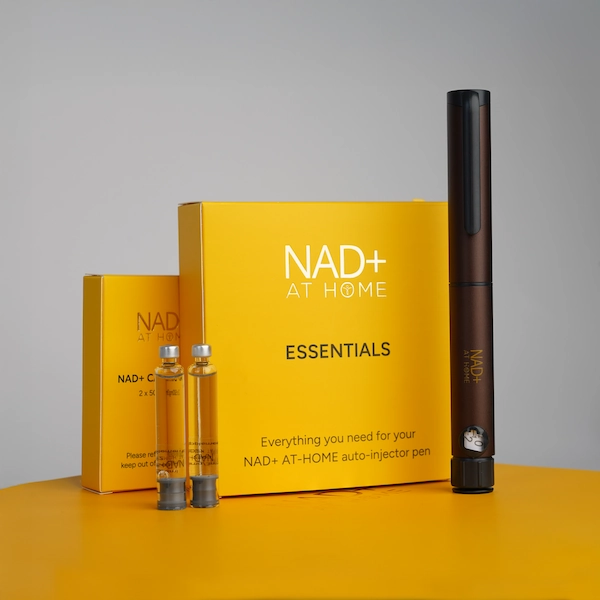
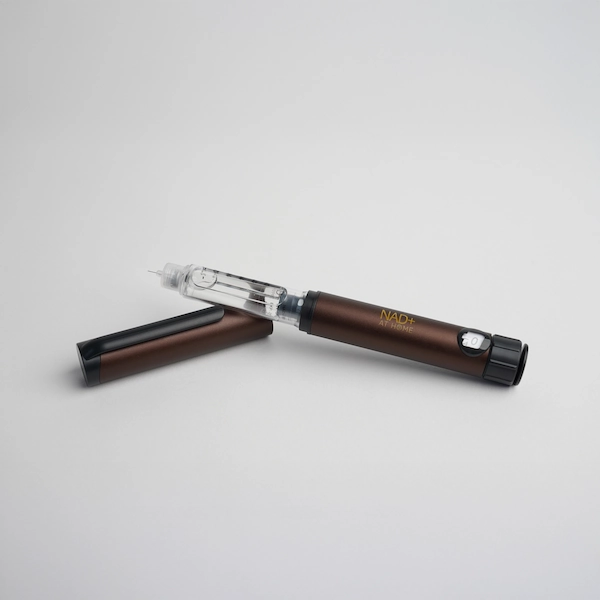
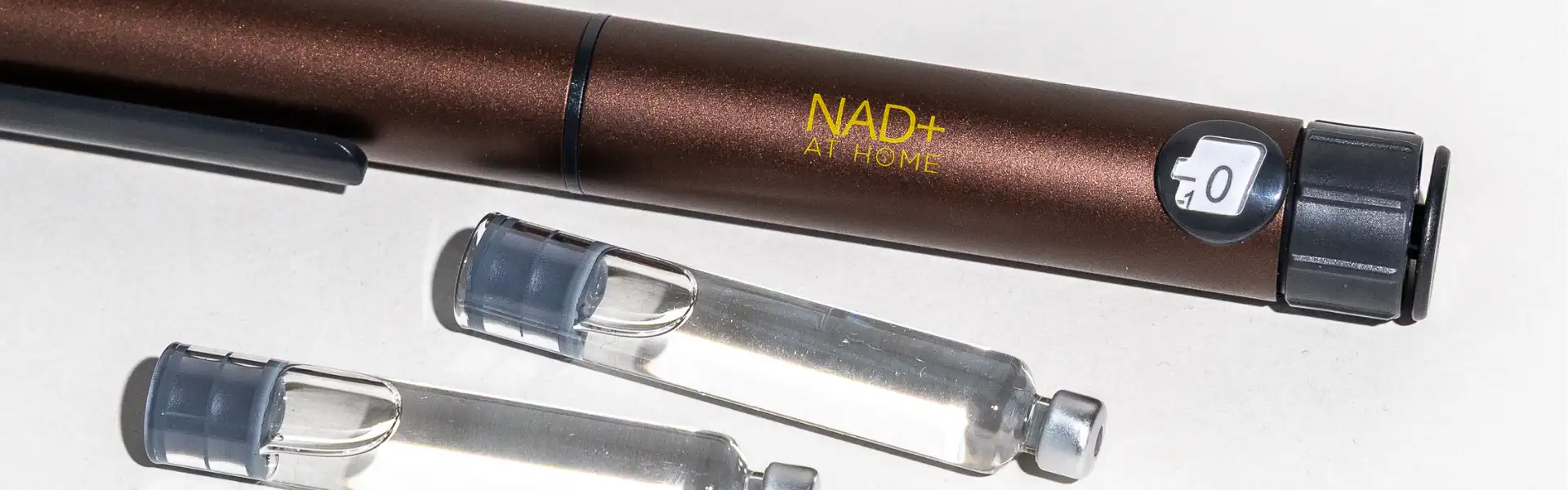
Some people may not be comfortable with needles, for example. In this case a NAD+ pen may provide an easy-to-use and less invasive solution than either NAD+ IV therapy or intramuscular injections. Pen-type delivery systems do use a needle but it is not exposed like a traditional needle. This design is similar to insulin pens for people with diabetes and most users find them to be almost entirely painless.
If that is still too much (if people have a genuine phobia of needles, for instance) then oral NAD+ supplements may be a better option. As explained above though, these are not as effective as injections at bioavailability, or getting the NAD+ where it needs to be.
The faster absorption and potentially higher doses of clinically-delivered NAD+ IV or intramuscular injections may be suitable for people looking for a fast boost to their NAD+, while subcutaneous injections may be better for a prolonged programme of support that is easily deliverable at home.
The method that any individual chooses should be based on their lifestyle, personal preferences and treatment goals, but also professional clinical guidance.
Why NAD+ at Home Uses Subcutaneous Injections
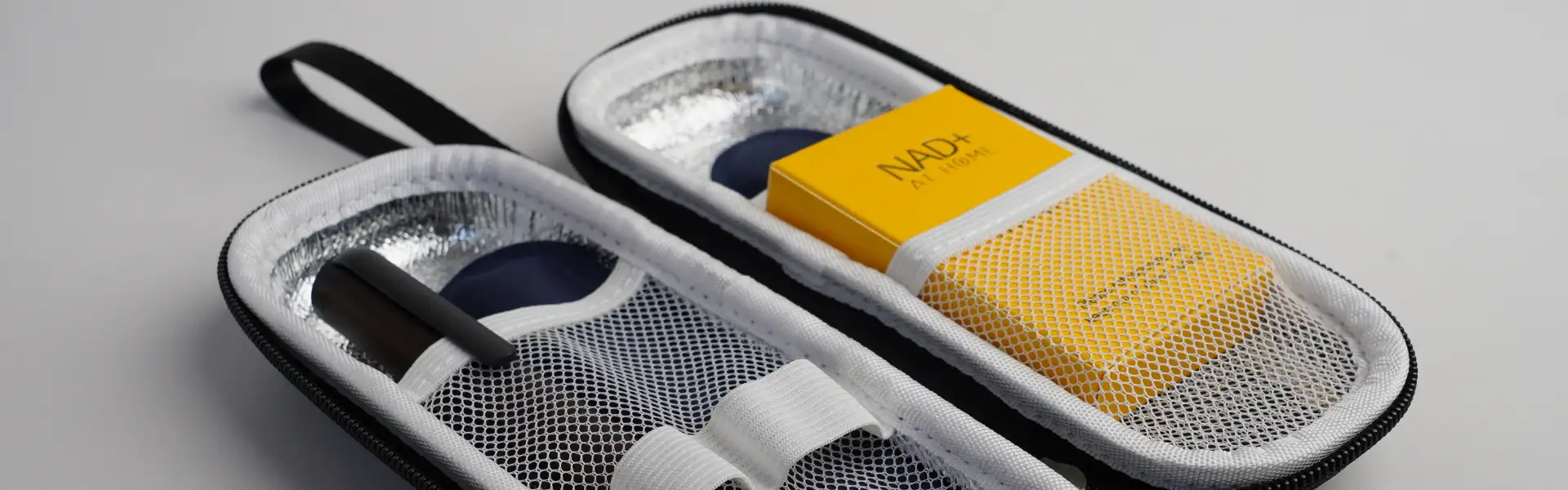
NAD+ at Home provides medically supervised subcutaneous injections because they are so well suited to home treatment. Following initial clinician guidance, they are both convenient and easy to use.
Some of the key benefits for subcutaneous NAD+ injections for home use include:
- Safety and ease of use: Subcutaneous is a safe and convenient way of providing a NAD+ boost at home. It can be easily self-administered.
- Good bioavailability: Subcutaneous injections bypass the digestive system, giving them a higher bioavailability compared to oral NAD+ therapies.
- Comfortable and pain-free: Most people find subcutaneous injections and pen-style delivery systems comfortable and largely pain-free.
- Cost-effective: This option tends to be more cost effective for ongoing treatments compared to NAD+ IV therapy or intramuscular injections administered at private clinics.
Are NAD+ Injections Safe?
NAD+ is only intended for use by adults aged 18 and over and there are some contraindications, including people who are pregnant or breastfeeding and those with active or historic cancer. You can find more information here.
Otherwise, subcutaneous NAD+ injections are entirely safe when procedures are followed correctly. Our microneedles and at-home injection kits use pen-style delivery systems. These use a technology similar to insulin injections, which have provided widespread, safe, secure, and sterile at-home use for more than four decades.
It is important to follow instructions carefully. Some people may experience injection site reactions such as mild redness or soreness. It can help to rotate injection sites, especially if administering regularly.
Other types of NAD+ therapy, including IV therapy and intramuscular injections should be carried out or supervised by trained, qualified professionals and are not generally suitable for home use.
You should always follow any relevant healthcare advice and prescribed treatment plans.
So, are NAD Injections Subcutaneous or Intramuscular?
The answer is that NAD+ injections can be both subcutaneous or intramuscular. Both types of injection can be very effective in terms of bioavailability, but they may be suited for different preferences, treatment goals and requirements. Subcutaneous injections, for example, tend to be better for at-home use and self-administration as they are usually easier, safer and more comfortable to use.
We hope we’ve answered any questions you might have on whether NAD injections are subcutaneous or intramuscular. If you want to learn more about NAD+ At Home’s medically supervised treatment programme or book a consultation, get in touch today.
NAD Injection Quick FAQs
Are NAD injections subcutaneous or intramuscular?
NAD injections can be either subcutaneous (delivered beneath the layers of skin) or intramuscular (injected deeper and directly into the muscle). Both may be suitable in different circumstances, but at-home delivery systems are usually subcutaneous.
Which NAD injection hurts less?
Subcutaneous injections tend to hurt less than intramuscular injections, as they use a shorter, thinner needle and penetrate fatty tissue rather than muscle fibre.
Which injection works faster?
Intramuscular NAD+ injections work faster, while subcutaneous injections provide a slower, steadier absorption.
Can I administer NAD injections at home?
Yes, subcutaneous injection kits are often made specifically to be administered at home.
Why does NAD+ at Home use subcutaneous injections?
NAD+ at Home use subcutaneous injections largely because they are far more suited to self-administration at home, providing a great balance between bioavailability, safety and ease of use.
Where should NAD injections be administered?
Subcutaneous injections are typically administered in areas with fatty tissue, including the abdomen, the front or outer thigh and back of the upper arm. Intramuscular injection tend to be delivered directly into large muscles such as the glute (buttock), delta (shoulder) or vastus lateralis (thigh).
Are NAD injections better than oral supplements?
NAD injections have better bioavailability than oral supplements, which have to pass through the digestive system. However, some people prefer the convenience of oral supplements, as well as the complete lack of any needles whatsoever.
How often are NAD injections taken?
Subcutaneous NAD+ injections can safely be used daily, but there is no one set schedule for NAD+ injections. Frequency depends on your goals and the delivery method.
Related Blogs
Check out our latest articles.
Georgina Glenn • September 24th 2026
Georgina Glenn • September 18th 2026
Georgina Glenn • August 11th 2026
Georgina Glenn • September 24th 2026
Georgina Glenn • September 18th 2026

 English (UK)
  Arabic
  Spanish
  German
  French
  English (United States)
  English (Australia)