

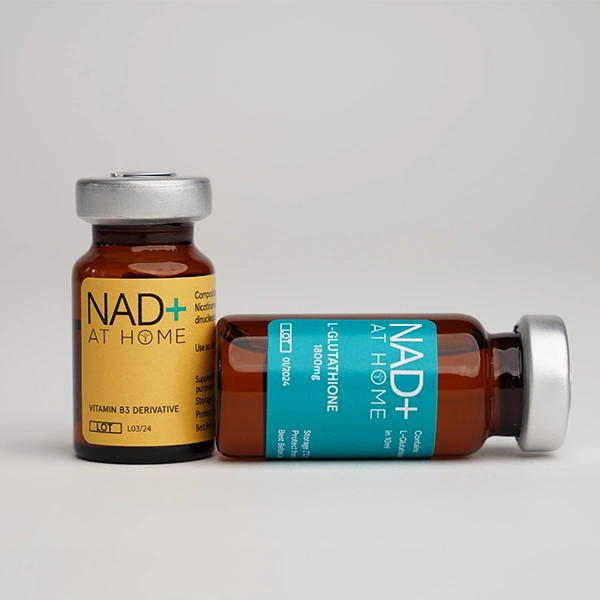
Two molecules have gained attention in the world of health and wellness: NAD+ and glutathione. Both are naturally occurring in the body and essential for cellular health, but they work in very different ways. One similarity they do have, however, is that they’re both alleged to help with longevity, energy and stress resilience.
Which one should you focus on, though? And is one better than the other? This article will explore their roles and differences and explain whether combining the two could offer greater benefits.
What is Glutathione?
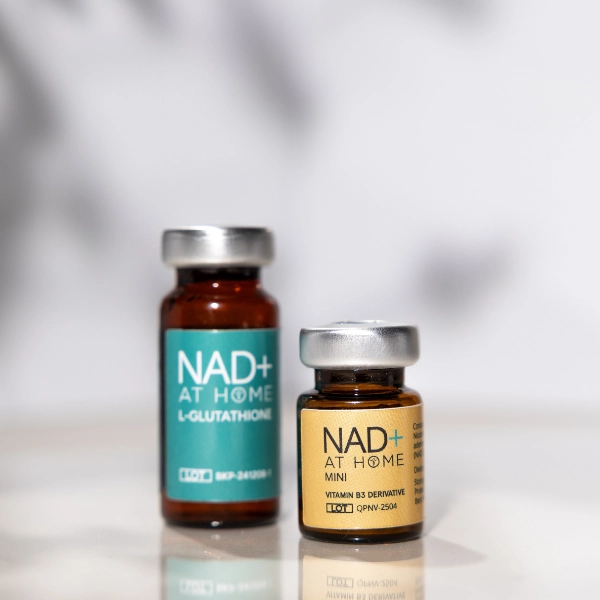
Glutathione is a small yet powerful molecule often described as the body’s ‘master antioxidant.’ It’s made from three amino acids – cysteine, glycine and glutamic acid – and is found in almost every cell in the body.
Its main role is to neutralise free radicals and protect cells from oxidative damage and stress. The latter typically occurs when reactive oxygen species, also known as harmful byproducts of metabolism, accumulate and affect DNA, proteins and lipids.
Some key functions of glutathione include:
- Supporting certain detoxification pathways in the liver.
- Supporting overall immune function by maintaining the health and effectiveness of immune cells
- Regenerating other antioxidants, including vitamins C and E, to keep the network functioning well
- Supporting cellular processes that help maintain genomic stability.
As we get older or experience chronic stress, poor diet, illness and toxin exposure, glutathione levels can decline. This leaves our cells more vulnerable to damage. Therefore, boosting glutathione via supplements and injections has become very popular.
What is NAD+?
NAD+, short for nicotinamide adenine dinucleotide, is a coenzyme found in all living cells. It plays an important role in cellular repair and energy metabolism.
Known as the power plant of our cells, NAD+ carries electrons in the mitochondria, which ultimately allows for the production of ATP, otherwise called energy. It’s not just about energy production, though. NAD+ also supports sirtuins and PARPs. These are both involved in DNA repair and longevity.
Some key responsibilities of NAD+ include:
- Fuelling mitochondrial energy production, which gives power to all cellular processes
- Supporting DNA repair mechanisms
- Serving as a substrate for longevity-associated proteins, improving cell resistance to stress and metabolism
- Regulating circadian rhythms and communication between cells
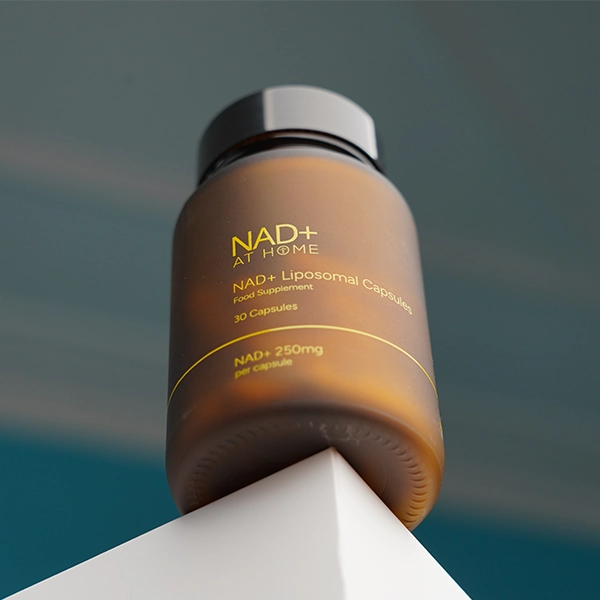
Just like glutathione, NAD+ levels can decline with stress and age. This means individuals might suffer from fatigue, age-related diseases and an impaired ability to repair and rejuvenate. NAD+ can, however, may be boosted through supplementation, IV therapy and lifestyle factors like intermittent fasting and exercise.
Glutathione vs NAD+
While both of these molecules help to maintain cellular health, they also work in different but complementary ways.
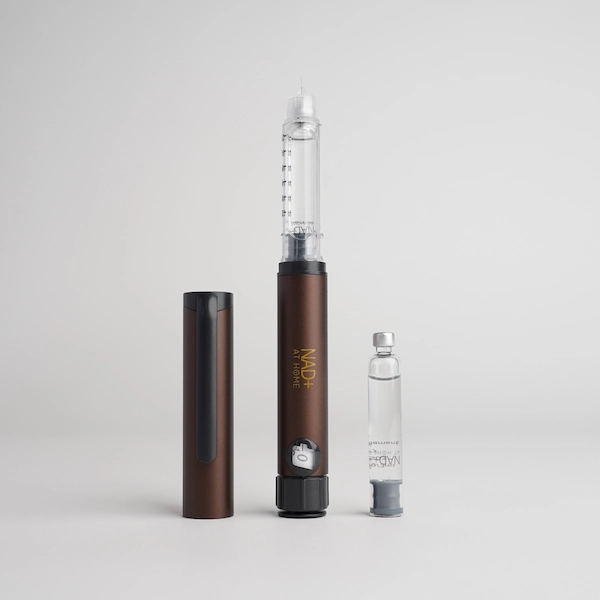
The primary function of glutathione is defence and detoxification, while NAD+ is responsible for energy production and DNA repair. Both are found in multiple cellular compartments throughout the body, but glutathione is found in the cytosol and NAD+ in the nucleus. Both have the potential to decline with age, stress, toxins, poor sleep and diet and can be boosted through IV therapy, lifestyle changes and oral supplements.
Glutathione is involved in antioxidant defence, while NAD+ is involved in cellular energy metabolism and DNA-repair-related biology. Essentially, glutathione cleans up the cells, neutralising harmful compounds, while NAD+ provides the fuel and repair mechanisms to keep everything working properly.
So, Which Is Better for You?
The truth is it depends on your health goals and individual circumstances. Glutathione can be a good option if you’re looking for antioxidant support, or if you’re looking to supplement alongside inflammation, recovering from illness, liver stress or oxidative stress.
NAD+ may be a better option if you experience fatigue and low energy, are concerned about ageing, are recovering from DNA damage or if you want to support your overall cognitive health and metabolic function.
Both molecules play different roles in cellular biology, and some people choose to include both in their routine.
Combining Glutathione and NAD+
Instead of choosing between the two, many experts suggest focusing on both. In fact, there is growing evidence to suggest that boosting both molecules together could have profound effects.
They complement each other by being involved in two different areas of cellular biology. Together, they can boost stress resilience, support repair, aid detoxification, and optimise overall energy. So instead of questioning whether glutathione or NAD is better, why not consider both?
Lifestyle Tips To Support Glutathione and NAD+ Naturally
Of course, supplementation can be powerful, but it’s best practice to combine it with simple lifestyle habits that will help to maintain healthy levels of both molecules in your body.
It’s important to eat a nutrient-rich diet. Consider those high in sulphur, like onions and garlic, as well as foods rich in niacin, like turkey, tuna and mushrooms.
Sleep and exercise are key, as is stress management, so consider mindfulness practices, regular physical activity and good sleep environments. Experts also recommend that excessive alcohol and toxins be avoided. By combining these habits with professional guidance on supplementation, you can take a comprehensive approach to your overall cellular health.

Optimise Your Cellular Health Today
Both molecules are essential if you want your body to function and repair as it should. And, while our natural levels might decrease with age and certain lifestyle choices, they can both be boosted through supplementation.
The team at NAD+ at Home can help you to understand your unique needs and create a personalised plan to support your cellular health. Not just that but we’re here every step of your journey, whether you have any questions, need some tailored advice or simply want to discover new ways to support yourself.
So, if you’re ready to feel your best at every stage of life – wherever you are today – why not consult with us? In no time at all, your body will thank you for it.
Related Blogs
Read more of our latest articles.

Georgina Glenn • November 18th 2026
Georgina Glenn • September 24th 2026
Georgina Glenn • September 18th 2026
Georgina Glenn • November 18th 2026
Georgina Glenn • September 24th 2026
Georgina Glenn • September 18th 2026
About the author:



 English (UK)
 Arabic
 Spanish
 German
 French
 English (United States)
 English (Australia)