


As we age, it’s easy to focus on the visible signs – a grey hair, more wrinkles or even a lack of energy. But, one of the most profound processes of ageing takes place deep within our cells and is governed by an intricate network of molecules and proteins.
Two of the most critical players in this biological performance are NAD+ and a family of proteins known as sirtuins. It’s no surprise that modern-day research has focused a lot on the relationship between NAD+ and sirtuin activation. And now, some scientists are arguing that by understanding how these two interact, we can unlock new ways to support cellular repair and healthy ageing.
What is NAD+?
Nicotinamide Adenine Dinucleotide (NAD+) is a coenzyme found in every single living cell in your body. It’s often described as a helper molecule because it’s essential for the enzymes that kickstart chemical reactions within the cell.
NAD+ is involved in hundreds of metabolic processes, including:
– Energy metabolism: It helps convert the nutrients from your food into ATP (adenosine triphosphate).
– DNA repair: It supports enzymes that fix broken strands of DNA caused by environmental toxins or radiation.
– Mitochondrial function: It ensures the powerhouses of your cells are functioning efficiently.
– Cellular signalling: It communicates vital information between the nucleus and the mitochondria.
The issue is not what NAD+ can or can’t do, but the fact that natural levels of NAD+ decline with age. In fact, by the time we reach middle age, our levels may be half of what they were in our youth – and this can have a rippling effect on overall health and signs of ageing.
What Are Sirtuins?
If NAD+ is the fuel, sirtuins are the machinery that keeps the cell running smoothly. They’re a family of seven proteins (SIRT1 through to SIRT7) that monitor the health of the cell and trigger protective responses when they detect stress or damage.
They’re often referred to as sirtuin proteins and are responsible for ageing via:
- – Metabolic control: Helping the body decide whether to burn fat or store it.
– Inflammation regulation: Keeping the body’s inflammatory responses in check.
– Cellular stress response: Protecting cells from oxidative stress and harmful free radicals.
– Circadian rhythms: Helping regulate your internal clock and sleep-wake cycles.
In short, they can switch on and off specific genes related to ageing, which is why they’ve become a focal point of modern research.
Why Sirtuin Proteins Need NAD+
Sirtuins are NAD-dependent enzymes. This means they can’t function without a constant supply of NAD+. Even if you do have plenty of sirtuin proteins available, they will sit dormant if there isn’t enough NAD+ to activate them.
When a sirtuin protein performs a task such as repairing a piece of damaged DNA it uses a molecule of NAD+. This is why NAD and sirtuin activation are so closely linked. What’s more, as your NAD+ levels drop, your sirtuins lose their ability to protect your cells, leading to the gradual decline in health that we also associate with ageing.
Key Roles of Sirtuins in the Body
When NAD+ levels are optimal and sirtuins are fully activated, they perform several vital tasks that support cellular NAD+ repair.
DNA Repair
Every day, our DNA is subjected to thousands of minor damages from UV light, pollution and other environmental stressors.
Sirtuins (specifically SIRT1 and SIRT6) play a leading role in recruiting repair enzymes to fix these. This helps prevent the accumulation of mutations that can lead to age-related diseases.
Metabolic Regulation
Sirtuins influence how well our cells process glucose and fats. By activating pathways such as AMPK and sirtuins, sirtuins can improve insulin sensitivity and promote the breakdown of fatty acids for energy.
This is why many researchers believe that supporting NAD and sirtuin levels is key to maintaining a healthy weight as we get older.
Mitochondrial Health
Mitochondria power our cells, but over time, they can begin to work less efficiently and produce more waste (oxidative stress).
Sirtuins help clear out old and damaged mitochondria (a process called mitophagy) and encourage the growth of new, healthy ones. This ensures your cellular energy production remains high.
NAD+, Sirtuins and Longevity Research
For decades, it was believed that ageing was simply a wear-and-tear process on the body. But today we know it’s a regulated biological process that can be influenced. What’s more, current research is looking at how NAD+ and sirtuins can impact:
- – Neurodegenerative diseases: Seeing if increased sirtuin activity can protect brain cells from protein buildup.
– Cardiovascular health: Researching how sirtuins protect the lining of blood vessels.
– Cellular resilience: Testing how cells with higher NAD+ levels survive environmental stressors compared to those with low levels.
The science is still evolving, but the consensus so far is clear: maintaining NAD+ activity and sirtuin activity is essential for extending the number of years we live in good health.
Why NAD+ Levels Decline With Age
We know that NAD+ levels decline as we get older and there are a few reasons for this:
- – Overconsumption: As we age, we accumulate more DNA damage and chronic inflammation. This forces enzymes like PARPs (DNA repairers) and CD38 (an inflammatory enzyme) to work overtime.
– Decreased production: Our bodies become less efficient at recycling NAD+ through what is known as the salvage pathway.
– Metabolic stress: High-calorie diets and sedentary lifestyles can further suppress NAD+ levels, leading to reduced sirtuin activity.
Supporting NAD+ For Cellular Repair
The good news is that there are ways we can support the two:
- – Physical activity is one of the most potent natural ways to boost NAD+ levels and activate sirtuins.
- – Foods rich in polyphenols are thought to work alongside sirtuins to enhance their protective effects.
- – Studies have shown that practising intermittent fasting or caloric restriction stimulates sirtuin activity.
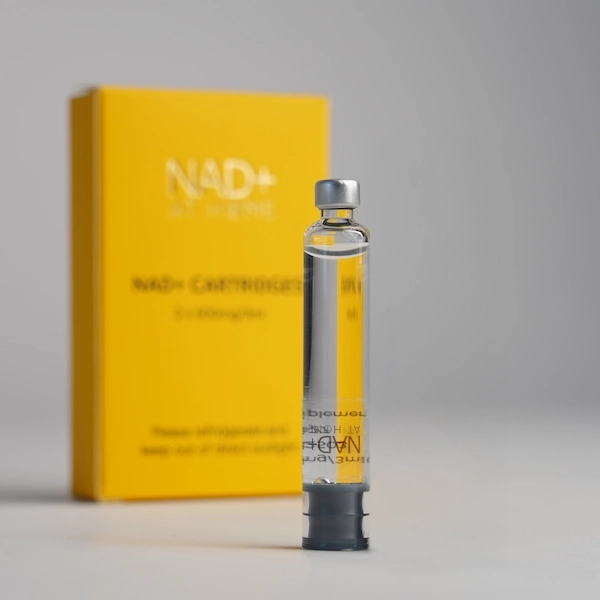
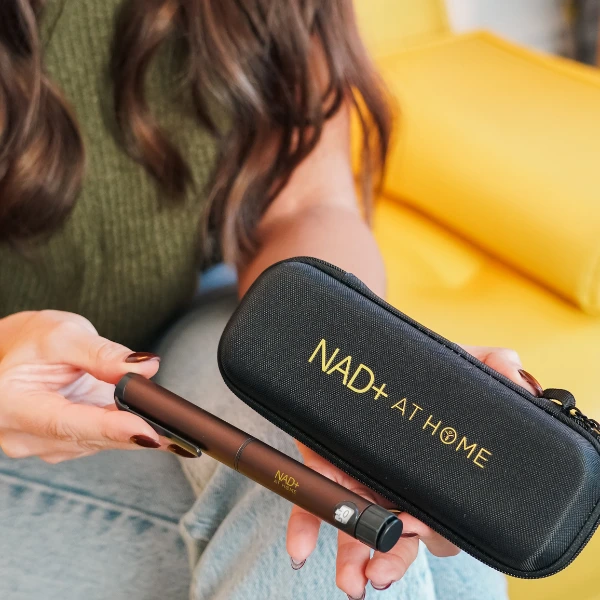
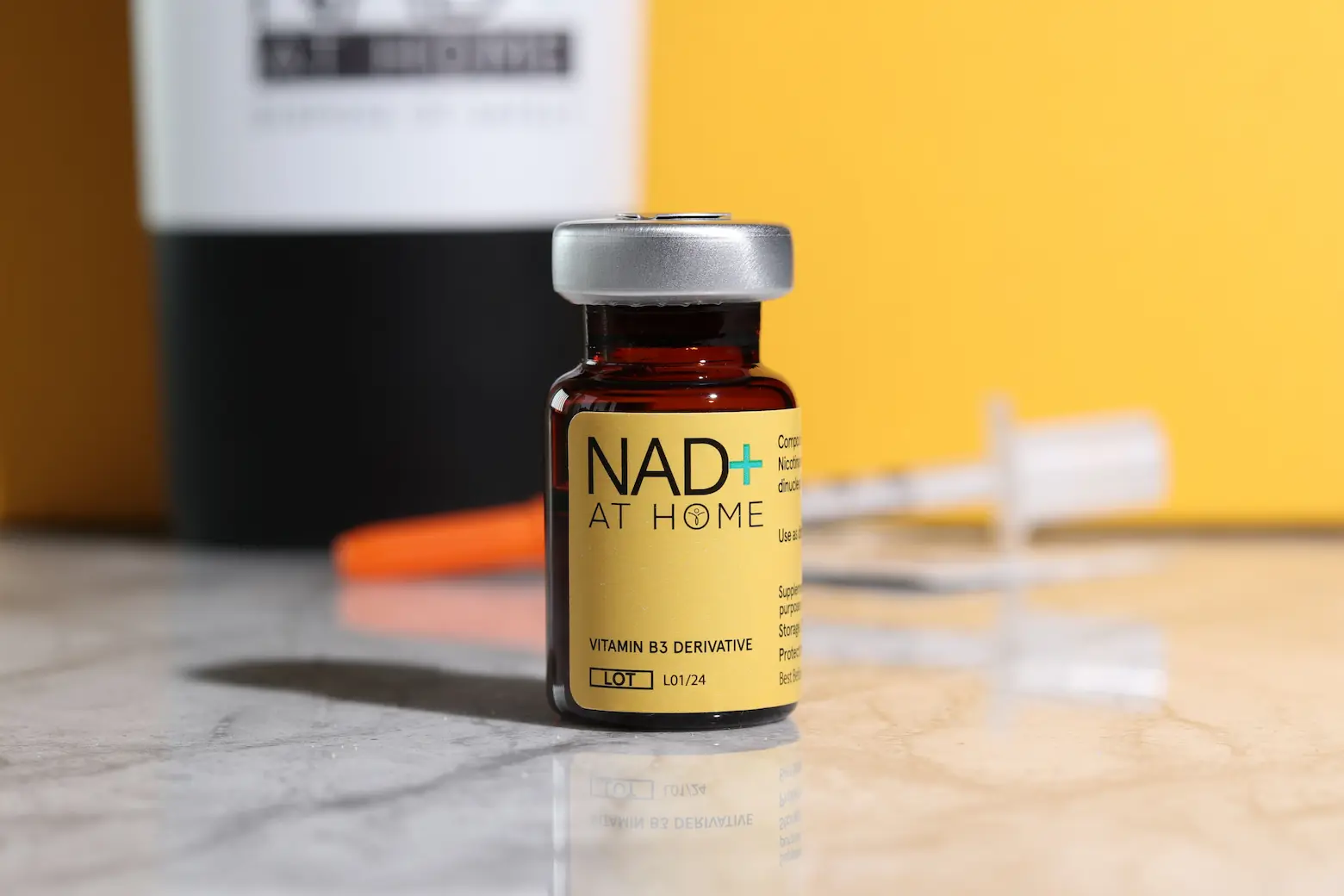
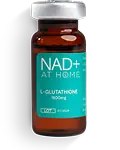
For those looking for more direct support, targeted NAD+ at-home approaches provide a way to replenish cellular levels efficiently, while bypassing the digestive system for maximum absorption. One thing’s for sure: by proactively managing our NAD+ levels, we provide our sirtuin proteins with the fuel they need to continue their work of cellular maintenance and repair.
Maintaining healthy NAD+ levels isn’t just about anti-ageing. It’s about supporting the fundamental metabolic processes that keep us feeling vibrant and resilient. If you want to understand this idea further, why not get in touch, explore our science-backed products or visit our resources page for expert insight.
Related Blogs
Check out our latest lifestyle articles.




 English (UK)
  Arabic
  Spanish
  German
  French
  English (United States)
  English (Australia)