


There is a rising interest in NAD+ and longevity, with more people becoming aware of how they can live a healthier life that optimises their body. People who are aware of biohacking and longevity are often eager to know how to increase NAD+ naturally.
Exercise is often recommended as an answer, but how does it actually work?
The short answer is that exercise does help with NAD+ levels, but it has limits. It’s good to know how exercise can help, what types of exercise help and how you can combine it with supplementation for boosted NAD+ levels.
Understanding NAD
NAD+ is the active form of Nicotinamide adenine dinucleotide, a coenzyme that is critical to numerous bodily processes. It is heavily involved in cellular energy production, helping to produce ATP (Adenosine Triphosphate), every cell’s main energy source.
NAD+ is important to mitochondrial health, DNA repair and supporting your metabolism.
With all the benefits of NAD+, the downside is that it declines as you age. As you age, your body experiences more wear and tear and the demand for NAD+ increases as you become less efficient at producing it. As there is less cellular repair, people show more obvious signs of ageing, such as wrinkles and fatigue.
Does Exercise Increase NAD+ Levels?
Yes, in a roundabout way.
Regular exercise decreases ATP levels and increases the NAD+/NADH ratio to help restore energy. NADH is used to make ATP, leading to the ratio to favour NAD+. With increased NAD+, you get the activation of sirtuins to enhance your metabolism and improve cell health, which both support exercise.
Exercise also aids the activation of NAD+-related pathways, such as increasing NAMPT, which helps synthesise more NAD+.
NAD+ and Metabolism Adaptation
Muscle contractions during exercise increase energy demand. To combat this metabolic stress, your NAD+ levels increase in the recovery phase. The more this occurs, the more your body soon adapts, making changes in NAD+ metabolism.
How Different Types of Exercise Affect NAD+
Different types of exercise can impact NAD+ levels in different ways.
Endurance Training
Endurance exercise and NAD+ are linked as the former leads to mitochondrial biogenesis, the increase in mitochondria. This type of training also leads to an increase in demand for ATP and NAD+. Regular endurance exercise means that your body adapts to this demand, improving NAD+ recycling to meet your metabolic needs.
High-Intensity Training
As the NAD+/NADH ratio shifts to meet your energy demands, enzymes such as PARPs and sirtuins are activated. They are key to cellular stress response and repair, supporting endurance and muscle recovery.
Practising high-intensity training can have its benefits, but there are risks if you overdo it. Excessive training can lead to chronic muscle soreness, an increased risk of injury, and chronic fatigue when you don’t give your body time to recover.
Resistance Training
Resistance training will improve your muscle health and metabolic efficiency, increasing your resting metabolic rate and helping you use energy more efficiently.
This type of exercise also boosts NAMPT production, which is key in the NAD+ recycling process.

The Limits of Exercise Alone
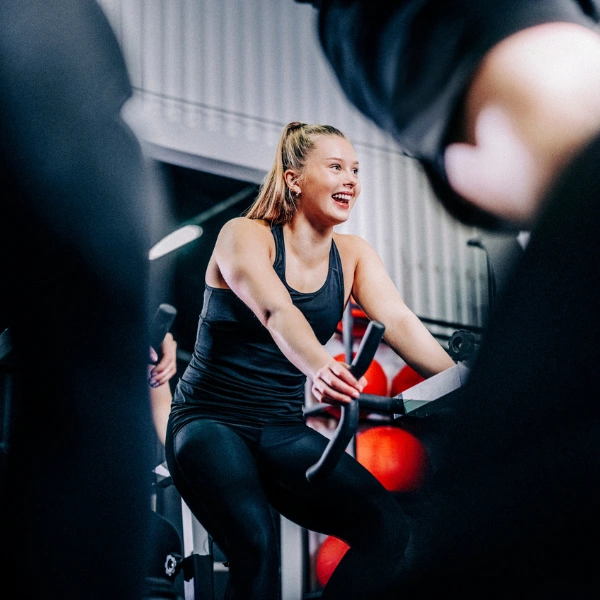
No matter how well you live, age-related decline still occurs. Continuing to be active is great, but overtraining can begin to have a negative effect on NAD+ levels, depleting them.
Every time you exercise, your body needs NAD+ to repair cells. As you age, your body becomes less efficient at repairing your muscles after workouts. That means that as you get older, recovery becomes even more important, and you need to give your body time to heal between exercises so that you get the benefits of being active.
NAD+ Supplementation vs Exercise – Or Both?
In isolation, exercise and supplementation can help NAD+ levels, but perhaps not as much as you want.
To get the best out of each method, you need to combine. Exercise is the lifestyle foundation that you need to put in place (along with a good diet), whilst supplementation is a targeted intervention, enhancing the naturally boosted NAD+ levels you are producing by living well.
If you use supplements but live a sedentary lifestyle, you’ll see no benefits. No amount of supplementation is a substitute for movement and healthily fuelling your body.
NAD+ supplementation can work in synergy with exercise, helping your energy levels before a workout, or taking it after to support recovery. What’s important is that you find a routine that supports your body and health safely.
Who May Benefit Most From Additional NAD+ Support
There are some groups, more than others, that may get more benefit out of getting additional NAD+ into their system.
Adults over 35 to 40- NAD+ decline with age is inevitable and begins in your mid-30s, with levels reducing by 50% after 40. NAD+ supplementation can help with age-related decline so that you can optimise your body to its actual potential.
High performers and athletes – Regular exercise and activity require more energy. Those who play sports or exercise regularly can use NAD+ supplementation to help with stamina, energy production and muscle recovery.
Individuals under chronic stress – Stress is not only bad for your mental health, but your physical health too. NAD+ can help produce stress-regulating proteins, reducing inflammation and combating oxidative stress in the body. All this can help reduce stress.
Those experiencing fatigue or slow recovery – NAD+ can help with energy production, cellular repair and reduce inflammation to help people who are fatigued have more energy and improve recovery time from illnesses.
How NAD+ AT HOME Complements an Active Lifestyle
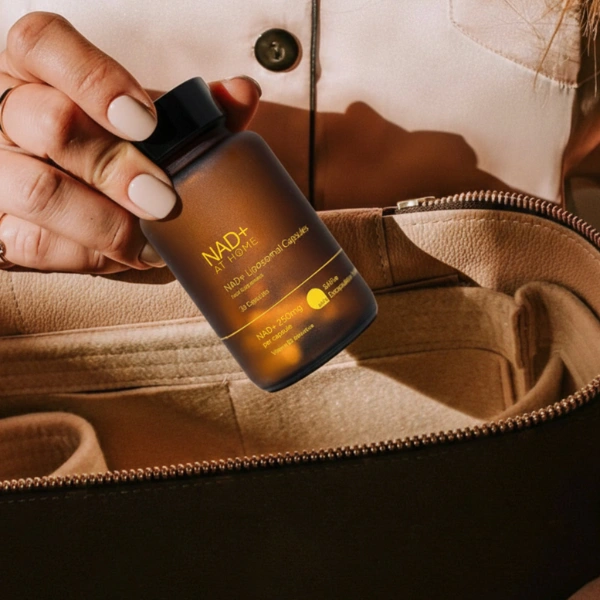
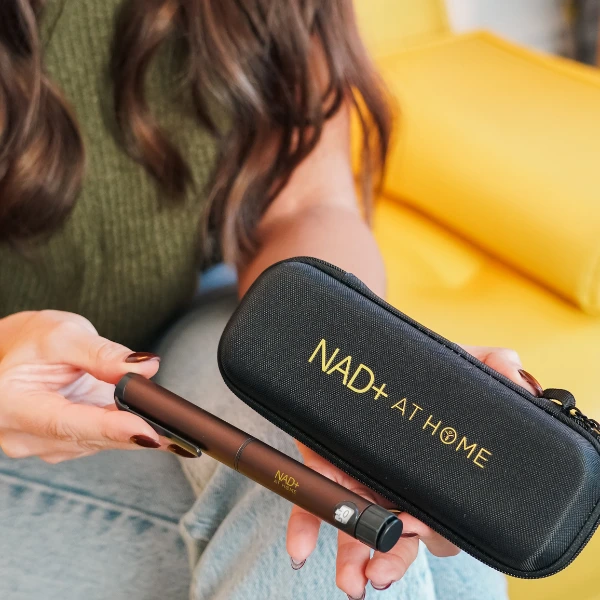
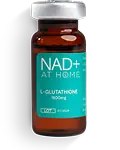
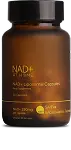
Our NAD+ supplements energy, recovery, and cellular repair, helping to boost your energy and aid with exercise. With products such as our NAD Injection Pen, we offer convenient at-home NAD+ therapy that doesn’t break the bank and can slip into your daily routine with ease.
You must remember, though, that NAD+ supplements aren’t a magic bullet. They cannot fight back against unhealthy living and will only enhance the healthy living you should be engaging in. Together with healthy eating and regular exercise, our NAD+ supplements can support an active lifestyle.
Take the First Step Towards Combining Exercise and NAD+ Supplementation Today
Exercise is an essential component of a healthy and active lifestyle. It can boost your physical and mental health and make you realise what you’re capable of. Cellular health is central to exercise, and NAD+ supports your cells in many ways, with supplementation enhancing long-term results.
If you are interested in exploring sustainable and balanced longevity strategies, contact us today. You can also take a look at our range of products and start your journey towards a healthier and more active life.
Related Blogs
Check out our latest articles on NAD+.





 English (UK)
  Arabic
  Spanish
  German
  French
  English (United States)
  English (Australia)