


There’s still a long way to go, but at long last, menopause is starting to get the attention it deserves. Women are rightly being more open in discussing the issues faced during menopause and demanding more research, treatments and ways to deal with the symptoms.
Many women are interested in exploring the potential role of supplements during menopause, with NAD+ supplements being an area of particular interest. NAD levels are central to cellular metabolism, DNA repair and healthy ageing, among many other functions – but does NAD help menopause symptoms?
Here, we will take a look at the potential role of NAD+ supplements, as well as their limitations…
What is NAD+
NAD, or nicotinamide adenine dinucleotide, is a natural molecule found in every living cell in our bodies. NAD+ and NADH are two different forms of the NAD molecule, with NAD+ being the oxidised version and NADH the reduced form. NAD+ is known for its bioavailability – how well it can be absorbed – and a number of potential benefits.
NAD+ is known to be involved in many cellular processes, including metabolic pathways, DNA repair, chromatin remodelling, cellular senescence and immune cell function. In essence, boosting NAD+ may have a range of positive effects on energy and recovery, cognitive function, metabolic health, and even slowing certain effects of ageing. We’re still learning more about this remarkable molecule, but it is currently the focus of research into regenerative medicines.


What Happens to NAD Levels With Age And Menopause?
NAD+ levels are known to decline with age, and this decline is believed to play an important part in the ageing process. The mechanisms involved are not fully understood but NAD+ levels decrease with age in various tissues, including the brain, skin and muscle. It may also be the case that ageing and NAD+ decline can become a vicious cycle: the decline in NAD+ can quicken the ageing process, while the ageing process itself can further decrease NAD+ levels, creating a cycle of decline.
The rate of decline can vary between individuals and may depend on numerous factors. It is not always easy to measure accurately, but the average concentration of NAD+ found in skin samples has been found to decrease by around 50% over the course of an adult’s ageing. Concentrations in the liver, meanwhile, were found to decline by around 30% between the ages of 45 and 60.
Women undergoing the menopause may also experience a range of symptoms that could combine with NAD+ decline and the other consequences of ageing to create a ‘perfect storm’. The menopause can affect energy levels and usher in metabolic changes and many different elements and processes can influence others to varying degrees.
Some typical menopause symptoms, such as hot flushes and irregular periods, may not be associated with the typical signs of NAD+ decline. There may be a crossover in many other symptoms, however, such as:
- – Cognitive issues and ‘brain fog’
- – Tiredness and fatigue
- – Skin changes
- – Joint and muscle aches
- – Mood changes
Can NAD Support Menopause Symptoms?
It’s important to understand that NAD therapy is not a hormone therapy. Some treatments may be better suited to different people in menopause, and it’s important to discuss issues and potential treatments with your GP or other medical professionals.
That said, there is growing evidence that boosting NAD+ can be beneficial in a number of areas – some of which can crossover with menopausal symptoms.
Areas that NAD+ therapy could boost or support include:
- – Increased energy and focus: Reduced levels of fatigue and lethargy that can also boost productivity and motivation.
- – Improved sleep: Some people report better sleep cycles and feeling more rested, which is something the menopause can negatively impact.
- – Improved physical recovery: After exercise and strenuous activity.
- – Mood enhancement and stabilisation: Mood and general well-being can suffer during the menopause.
- – Cognitive function: Many women experience ‘brain fog’ and related issues during menopause.
- – General metabolic and cellular health: This can have a knock-on effect on overall well-being.
NAD vs HRT
HRT, or hormone replacement therapy, is a treatment that aims to relieve menopausal symptoms by replacing the hormones oestrogen and progesterone that decline as a woman approaches and journeys through menopause. It can help with most menopause symptoms, such as hot flushes, mood swings and vaginal dryness, but it is not suitable for everyone.
The NHS says HRT may not be suitable for women with histories of certain medical conditions, and there are also potential side effects. There are different kinds of HR,T and it can take time to find the right dose and type that works for each individual.
NAD therapy targets the NAD+ depletion that occurs as you age and which generally accompanies menopause. It supports cellular energy and repair, which can have a range of beneficial effects. It should be considered a supplement and not a replacement for HRT, but there is generally no reason why the two approaches cannot have a dual role.
Types of NAD+ Support
There are a number of ways to raise NAD+ levels naturally, including regular exercise, a healthy diet including vitamin B-rich foods such as whole grains and steamed fish. For a major, targeted boost, however, you really need a specific NAD+ therapy.
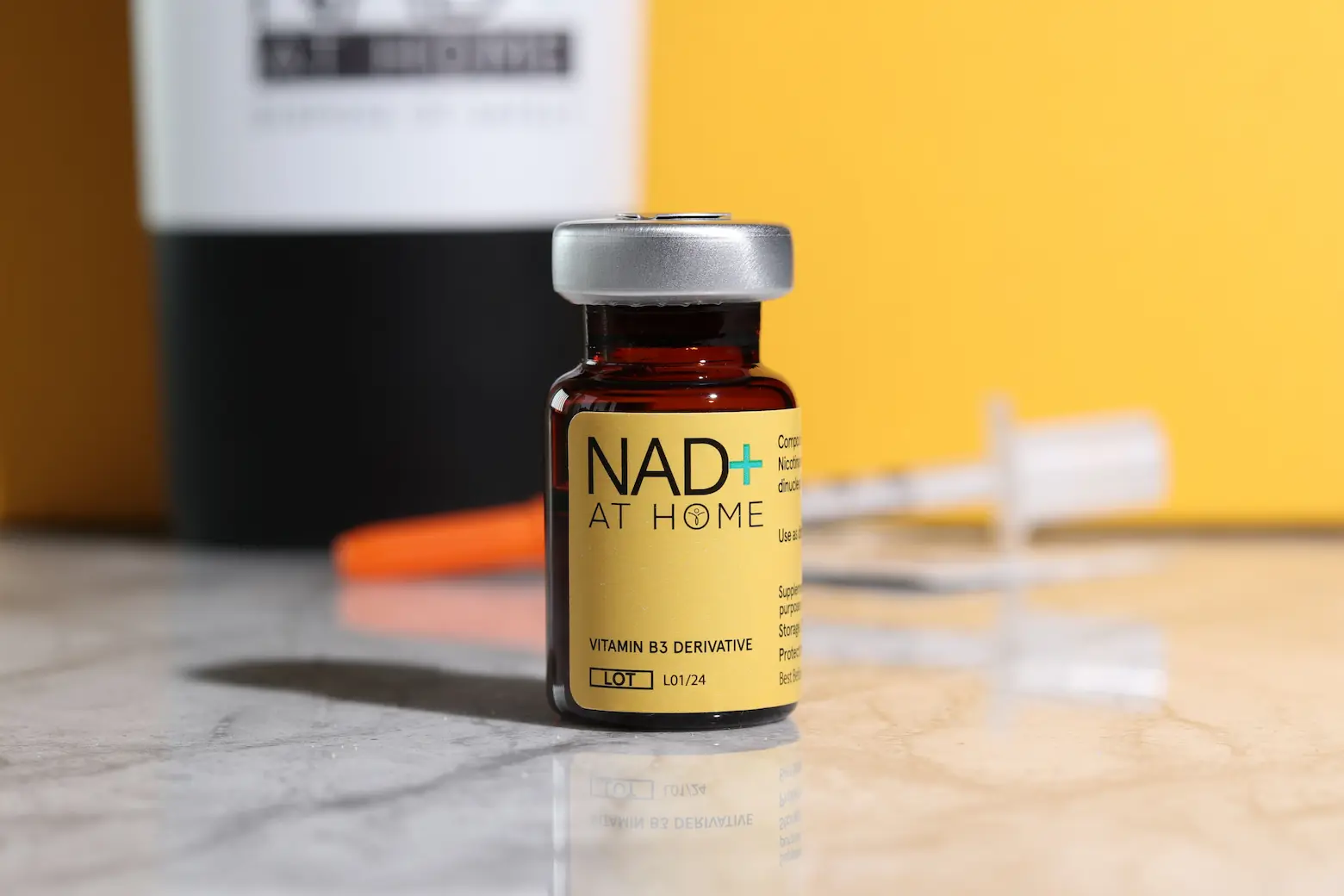
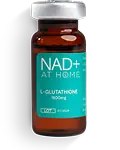
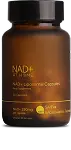
These can come in various formats, including NAD+ Pen kits and Liposomal NAD+ Capsules that can be taken orally.
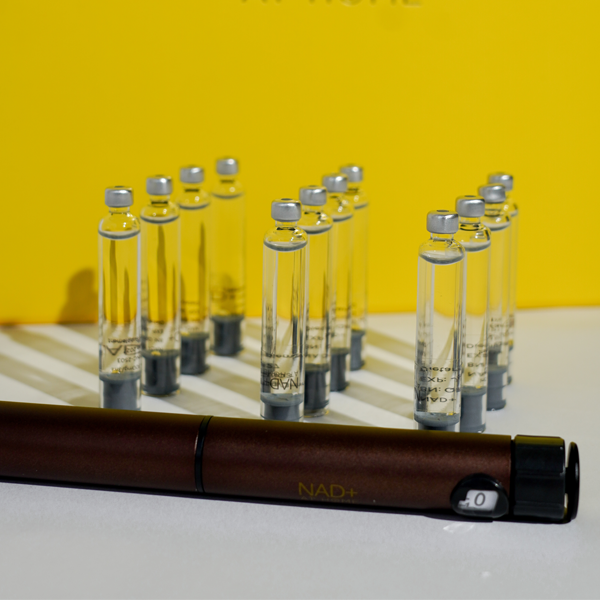

When to Consider NAD in Menopause Care
NAD therapies should not be considered a replacement for HRT or other medical treatments, but they can be used as part of a holistic approach to cellular health and general wellbeing, with potential benefits in a number of areas where those areas and the symptoms of menopause overlap.
Personalised menopause care matters, and it always pays to speak to an expert. Your GP can be a good starting point for HRT and other treatments.
You can also speak to our professionals or contact us for more information on the potential benefits of NAD+ therapy during the menopause.
NAD+ supplements and therapies are not a replacement for menopause medication or HRT. They should not be used as a substitute for professional medical advice, diagnosis, or treatment. Always consult your GP or a qualified healthcare professional before making decisions about menopause care or starting any new supplement.
Related Blogs
Check out our latest articles on NAD+.



 English (UK)
  Arabic
  Spanish
  German
  French
  English (United States)
  English (Australia)