


Gut microbiome refers to a collection of bacteria and other microorganisms that live in the digestive tract and play an important role in our overall health. What’s more, studies suggest that the microbiome can be influenced by diet, lifestyle, medication and illness, so how can we improve gut microbiome health naturally?
What is the Gut Microbiome?
The gastrointestinal tract houses a community of microorganisms and bacteria. While it might sound like something that needs to be eliminated or controlled, many of these microbes are able to live healthily in our gut and interact with the food and compounds that pass through our digestive system.
Diversity is key, though. Too much bad bacteria, and our body will feel the effects of it. A diverse microbial community can provide better health resilience and a greater range of microbial functions.
Studies have also found that your microbiome is influenced by individual circumstances including age, genetics, diet, environment, lifestyle and health history. This means that what supports one person’s gut health might not have the same effect on another.
What Can Affect Your Gut Microbiome?
The gut microbiome is always changing, but some of the biggest influences are:
Diet, especially the types and amounts of fibre and plant foods consumed.
Lifestyle factors or biohacking, including physical activity, sleep, stress and alcohol consumption. Illness and change can also alter microbiomes.
Medication and antibiotics in particular can significantly affect bacterial communities in the gut. This is why medical professionals only recommend antibiotics to be used when medically appropriate.
As the gut microbiome is such a personal thing, there’s no universal formula for creating an ideal microbiome. Instead, it’s best to focus on habits that support overall health while knowing that individual responses can differ.
How to Improve Gut Microbiome
Improving your gut microbiome isn’t about finding a miracle food. Instead, the best approach is to create an environment where microbes have access to the nutrients and conditions they need to thrive. Here are some practical strategies to consider:
Increase Your Fibre Intake
Fibre is one of the most important foods for gut health because lots of it reaches the colon, where gut microbes can ferment it. Some of the best sources include vegetables, fruit, beans, lentils, wholegrains, nuts and seeds.
However, rather than dramatically increasing the amount of fibre you eat overnight, it’s wise to gradually introduce more as it can make it easier for your digestive system to tolerate. Remember to focus on variety too. Different plants contain different types of fibre and other compounds which can help to support a broader range of microbial activity.
Eat a Diverse Range of Plant Foods
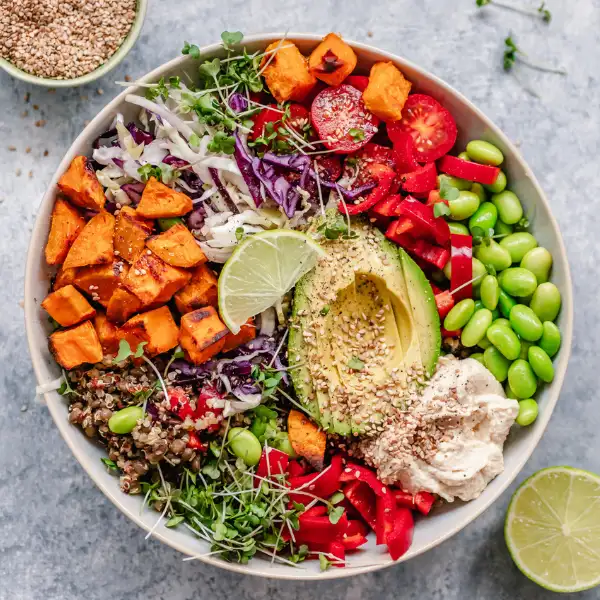
Another simple way to support microbiome diversity is to eat a range of plant foods. Try different vegetables, fruits, legumes, wholegrains, nuts, seeds and herbs and try not to eat the same few foods every week.
This doesn’t mean that every meal needs to contain dozens of ingredients, but consider variety across the week. A colourful diet naturally provides a range of vitamins, minerals and plant compounds – all of which are good for gut health.
Consider Fermented Foods
Fermented foods are another useful addition to a balanced diet. Popular choices include live culture yoghurt, kefir, sauerkraut and kimchi, but if you’re not accustomed to them, it’s wise to introduce them gradually and pay attention to how your body responds to them.
Be wary of processed foods marketed as probiotic, as their microbial content and potential effects can vary considerably.
Exercise Regularly
Diet isn’t the only factor worth considering. Regular exercise is essential as it’s associated with changes in the gut microbiome – although the relationship is complex. That’s not to say you need an intensive training programme. Regular walking, cycling, resistance training and other activities that you enjoy can contribute to an overall healthy lifestyle.

Prioritise Sleep and Recovery
Sleep is also important for overall health, and its relationship with gut microbiome is emerging within research. For best results, you should aim for a consistent sleep routine and enough sleep for your individual needs. Managing stress and allowing your body enough time to recover from exercise is also key.
Avoid Unnecessary Antibiotics
While they are sometimes essential, antibiotics should only ever be used when appropriate and prescribed by a qualified healthcare professional. This is because they can affect bacterial populations, and unnecessary exposure can disrupt the gut microbiome. The answer is not to avoid antibiotics when you genuinely need them, but you should avoid taking them if they aren’t needed.
Do Probiotics Help?
Probiotics are live microorganisms that are intended to provide health benefits when consumed in sufficient amounts. They’re available in some foods and drinks as well as dietary supplements. However, the word probiotic doesn’t always mean a product will improve everyone’s gut health.
Different probiotic strains can have different effects, and while some have shown promise for particular uses, there’s still uncertainty about which products are helpful for which condition and people. For this reason, probiotics should not automatically replace a varied and fibre-rich diet.
How Long Does it Take to Improve Your Gut Microbiome?
There’s no timeframe for changing gut microbiomes. Some changes produce changes relatively quickly, while other habits influence the function of the gut over time. It’s important to remember that individual responses can vary too.
Rather than looking for a quick reset, consider sustainable habits such as eating a diverse diet, exercising regularly and maintaining a good sleep schedule.
How Supplementing NAD+ May Help
NAD+ (nicotinamide adenine dinucleotide) is a molecule that’s involved in several cellular processes. Current research has found that regular supplementation can alter the gut microbiota, and others have witnessed positive effects on the intestinal barrier and inflammation. It can also have a positive effect on metabolism, which can support weight loss, again suggesting that supplementation can play a role in supporting gut health for some people.
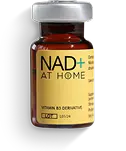
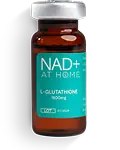
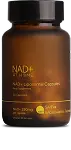
If you’re one of those interested in NAD+ supplementation, NAD+ At Home has a selection of products including NAD+ capsules and NAD+ injection pens for easy at-home use.
Disclaimer! As with any supplements, these products should complement and not replace a varied diet, healthy lifestyle and appropriate medical care.


 English (UK)
  Arabic
  Spanish
  German
  French
  English (United States)
  English (Australia)