


Chronic stress has become a common health concern in the modern age. Whether a result of demanding careers, poor sleep, financial pressures or the constant pace of daily life, prolonged stress can have an impact on physical and mental health.
At the centre of the body’s stress response is a hormone called cortisol – and now many are questioning whether there are certain things we could be doing to naturally support our cortisol levels.
Here, we look at nicotinamide adenine dinucleotide, otherwise known as NAD+, which has recently gained growing interest for its role in wellbeing and explore ‘does NAD reduce stress?’
What Is Cortisol?
Cortisol is a hormone produced by the adrenal glands, which sit just above the kidneys. It’s released by the body’s primary system for responding to physical and emotional stress. But it plays a much wider role around the body, helping to regulate:
- Energy production
- Blood sugar balance
- Blood pressure
- Immune and inflammatory responses
- Wakefulness and alertness
- Metabolism
Cortisol typically follows a natural daily rhythm in the body. Levels are usually highest shortly after waking, meaning you feel alert and energised. These then gradually decline throughout the day. When cortisol levels remain elevated for a long period of time due to stress or other health factors, this is where potential problems can arise.
What Causes High Cortisol Levels?
There are many reasons why someone might experience high cortisol levels. This includes:
- Chronic psychological stress
- Poor sleep quality
- Anxiety disorders
- Overtraining or excessive exercise
- Chronic illness
- Persistent inflammation
- Diets high in processed foods and refined sugars
- Certain medications or endocrine disorders
Short episodes of increased levels may be normal, but long-term excessive stress can put a lot of pressure on the body.
How Does High Cortisol Affect Health?
When cortisol levels remain elevated for a prolonged period, there are a range of physical and psychological symptoms. This includes:
- Persistent fatigue
- Increased anxiety
- Difficulty sleeping
- Weight gain
- Brain fog and poor concentration
- Slower recovery after exercise
- Mood changes and irritability
- Reduced immune function
These symptoms often overlap with other health conditions so it can be hard to diagnose stress. But, either way, improving the body’s ability to respond to stress has become an important wellness goal for many.
What is NAD+?
NAD+, short for nicotinamide adenine dinucleotide, is a coenzyme found in every living cell. It’s plays a crucial role in converting nutrients into usable energy and support hundreds of other reactions around the body including:
- Mitochondrial function
- DNA repair
- Cellular communication
- Healthy responses to cellular stress
Unfortunately, we know that NAD+ levels naturally decline with age and research has also shown us that stress, inflammation and illness can also impact natural NAD+ levels.
NAD+ and Cortisol
When we look at the relationship between cortisol and stress, we know that NAD+ supports how cells respond to stress, recover from damage and maintain healthy energy production.
This is why people are now investigating whether restoring NAD+ levels may improve how well a body can respond to stress.
Does NAD+ Help With Cortisol Levels?
Yes, but research is still in its early stages.
We know that boosting NAD+ levels might boost the body’s biological pathways that are involved in stress responses, energy metabolism and inflammation. But there is currently no evidence to suggest that NAD+ therapy can reduce cortisol levels.
That being said, there are several reasons as to why people might feel less stressed after NAD+ therapy:
- Improved cellular energy – NAD+ is essential for ATP production, which allows cells to create the energy they need to function more efficiently.
Better mitochondrial function – Healthy mitochondria support physical performance, mental clarity and recovery. - Recovery – NAD+ supports cellular repair pathways which can make it easier to recover after physical or mental stress.
- Healthy deep sleep – Better energy metabolism and recovery can contribute to better sleep patterns which are closely linked to normal cortisol levels.
- Reduced oxidative stress – NAD+ can help protect cells from oxidative stress which often increases during episodes of stress.
- Improved metabolic health – Healthy metabolism and blood sugar regulation can reduce additional stress placed on the body.
Together, these effects can help the body to be more resilient when it comes to stress even if cortisol levels aren’t directly targeted.

Can NAD+ Help With Fatigue?
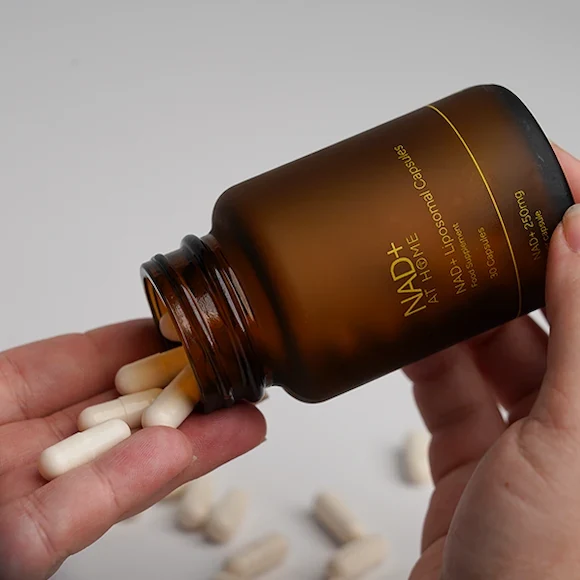
Lots of people use NAD+ therapy because they’re experiencing burnout or tiredness. This is often because NAD+ plays an important role in energy production so when cells produce energy efficiently, the body is more likely to deal with daily stressors and recover.
Current research doesn’t present NAD+ as a cure for stress, anxiety or fatigue, but restoring declining NAD+ levels can positively affect wellbeing. This is why many see it as a necessary part of a broader wellness strategy rather than a solution to one symptom.
Other Ways to Support Healthy Cortisol Levels
There are many approaches to supporting healthy cortisol levels such as:
- Managing stress through relaxation techniques
- Exercising regularly without overtraining
- Prioritising consistent and high-quality sleep
- Eating a balanced and nutrient-rich diet
- Practising mindfulness or meditation
- Limiting alcohol intake
- Maintaining healthy daily routines
Who Might Be Interested In NAD+ for Wellbeing Support?
Lots of people can benefit from NAD+ therapy but especially:
- Highly-stressed professionals
- Individuals experiencing burnout
- Adults interested in healthy ageing
- People looking to improve energy levels
- Individuals focused on preventative wellness
Ultimately, if you’re suffering with stress, fatigue, anxiety, sleep issues, unexplained weight loss or low mood, NAD+ therapy could help. That being said, it’s important to discuss your circumstances with a healthcare professional but they can also determine whether NAD+ therapy is appropriate for you.
Choose NAD+ AT HOME
Cortisol and NAD+ is an exciting area of current research but it should never be seen as a one-stop solution. Instead, NAD+ supplements can be used alongside regular exercise, balanced nutrition and effective stress management techniques to contribute to improved wellbeing and resilience.
And whether you’re interested in NAD for stress, NAD for anxiety or NAD for fatigue, we’re here to help and can answer any of your questions.
Related Blogs
Check out our latest articles.

Georgina Glenn • September 24th 2026

Georgina Glenn • September 18th 2026

Georgina Glenn • August 11th 2026
Georgina Glenn • September 24th 2026
Georgina Glenn • September 18th 2026



 English (UK)
  Arabic
  Spanish
  German
  French
  English (United States)
  English (Australia)