


Healthy skin isn’t just about looking younger, it often reflects your overall wellbeing.
When your skin appears clear, hydrated, and vibrant, it can be a sign that your body is functioning well and maintaining balance internally. There are many ways to support healthier-looking skin. In recent years, NAD+ has gained increasing attention in the context of anti-ageing and skin health, as more people focus on longevity and optimising their overall wellness.
NAD+ is closely linked to cellular function, which is why it has become relevant in discussions around skin health. Understanding what NAD+ is, how it supports the body, and how it may influence the skin can help you make more informed decisions about incorporating it into your routine.
What is NAD+?
NAD+ stands for nicotinamide adenine dinucleotide. It is a naturally occurring coenzyme found in every living cell of the body. Unlike many topical anti-ageing ingredients, NAD+ works at a cellular level, supporting essential processes that keep your cells functioning consistently.
One of its primary roles is in cellular energy production. NAD+ is involved in mitochondrial function, often referred to as the “powerhouse” of the cell, where nutrients from food are converted into usable energy.
In addition to energy production, NAD+ also plays a role in:
- Supporting cellular repair processes
- Inflammatory signaling
- Maintaining metabolic function
- Because of its involvement in these fundamental processes, NAD+ is closely linked to overall cellular health, which can have a knock-on effect on how the body, and skin perform over time.
How Skin Ageing Occurs
Skin ageing is a natural process influenced by several biological factors, including:
Collagen Production
Collagen is a key structural protein that helps maintain the skin’s firmness and elasticity. From around the mid-20s, collagen production gradually declines, which can lead to fine lines, reduced elasticity, and thinning of the skin over time.
Oxidative Stress
Oxidative stress occurs when there is an imbalance between free radicals and antioxidants in the body. Free radicals can damage cells and DNA, contributing to inflammation, dullness, and the visible signs of ageing.
Reduced Cell Activity
As we age, cellular processes become less efficient. Skin cells are slower to renew and repair, leading to a build-up of older cells. This can weaken the skin’s structure and affect proteins such as collagen and elastin, which are essential for maintaining firmness and resilience.
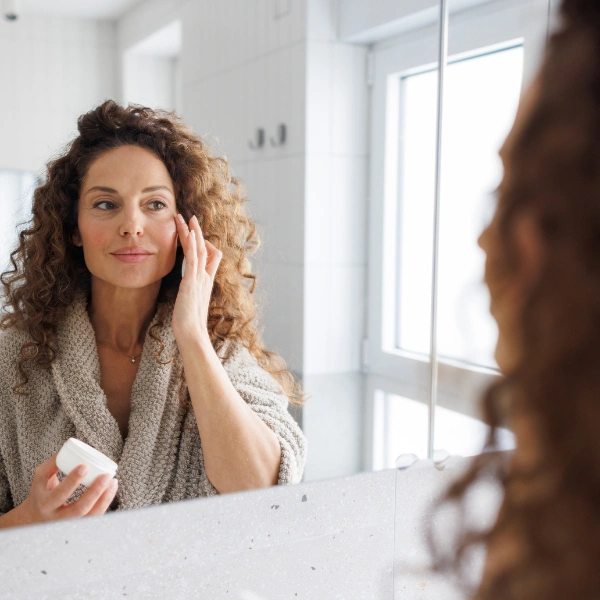

The Relationship Between NAD+ and Skin
Because NAD+ is present in cells throughout the body, it plays an important role in supporting overall skin health. Its involvement in key cellular processes means it can contribute to how the skin functions and repairs over time.
Cell turnover
Healthy skin relies on continuous cell turnover, the process where old cells are replaced by new ones. This helps maintain a smooth, vibrant appearance.
This process requires significant cellular energy. NAD+ supports the production of ATP (the body’s main energy source), which helps cell renewal and overall skin function.
Repair processes
NAD+ is involved in PARP-related biology, including processes associated with DNA repair.
When repair processes become less efficient, damage can accumulate over time, contributing to visible signs of ageing such as fine lines and wrinkles.
Inflammation regulation
While inflammation is a natural and necessary response, chronic low-level inflammation can negatively affect skin health.
NAD+ plays a role in helping regulate inflammatory pathways, supporting a more balanced immune response and contributing to healthier skin over time.

Does NAD+ Improve Skin Health?
While research is still developing, NAD+ is associated with several potential benefits for skin health, which may be due to its role in supporting cellular function.
- Skin elasticity: NAD+ is involved in cellular processes relevant to skin structure and ageing biology. Supporting these processes may help improve the skin’s overall structure over time.
- Skin texture: NAD+ also plays a role in maintaining the skin barrier. This includes supporting the production of components such as ceramides, fatty acids, and structural proteins. A well-functioning barrier helps keep the skin hydrated, reduces sensitivity, and contributes to a smoother appearance.
- Skin appearance: Through its role in mitochondrial function, NAD+ supports cellular energy production. When skin cells have sufficient energy, they can function more efficiently, which may contribute to a more vibrant, healthy-looking complexion and improved resilience to environmental stressors, including UV exposure.
What Research Suggests
Studies around NAD+ and skin health are still emerging, and although nothing can be outright confirmed, some studies show the potential for some promising outcomes.
A study from 2024 found that women using a supplement containing nicotinamide riboside (a NAD+ precursor) reported improvements in skin smoothness, reduced wrinkles and skin recovery. Another from the same year suggested that improving NAD+ levels may improve collagen and elastin production, leading to improved skin elasticity and firmness.
Most studies so far have been on animals. A study on mice in 2021 had preliminary evidence that NAD+ promoted more organised collagen remodelling, which could result in improved scar appearance.
Ways to Support NAD+ Levels
There are several ways to support NAD+ levels, which may help optimise the cellular processes linked to skin health.
Lifestyle
NAD+ levels can be supported naturally through lifestyle choices. Two of the most important factors are diet and exercise.
Diet
A balanced diet that includes nutrient-dense foods can help support the body’s natural NAD+ production. These include:
- Whole grains
- Lean meats
- Fish
- Nuts
- Eggs
These foods provide key nutrients involved in cellular energy and metabolic processes.
Exercise
Physical activity increases the body’s demand for energy, which can help stimulate more efficient energy production at a cellular level. Regular exercise is also associated with improved sleep, reduced stress, and overall metabolic health, all of which may support NAD+ levels indirectly.
Supplementation
Supplementation can be a helpful way to support NAD+ levels as part of a consistent wellness routine.
Oral supplements
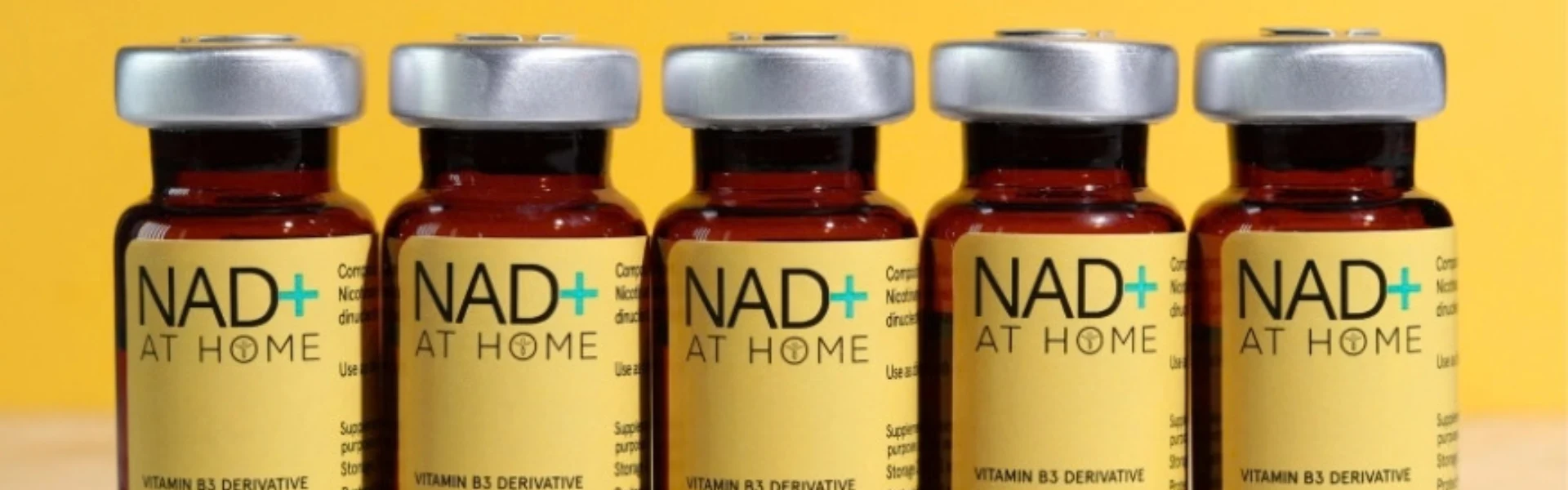
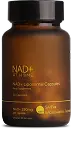
Oral NAD+ can provide a convenient and accessible option. Our formulations deliver meaningful doses (often around 250mg), helping to support NAD+ levels and overall cellular function over time. They are particularly useful for maintaining consistency within a daily routine.
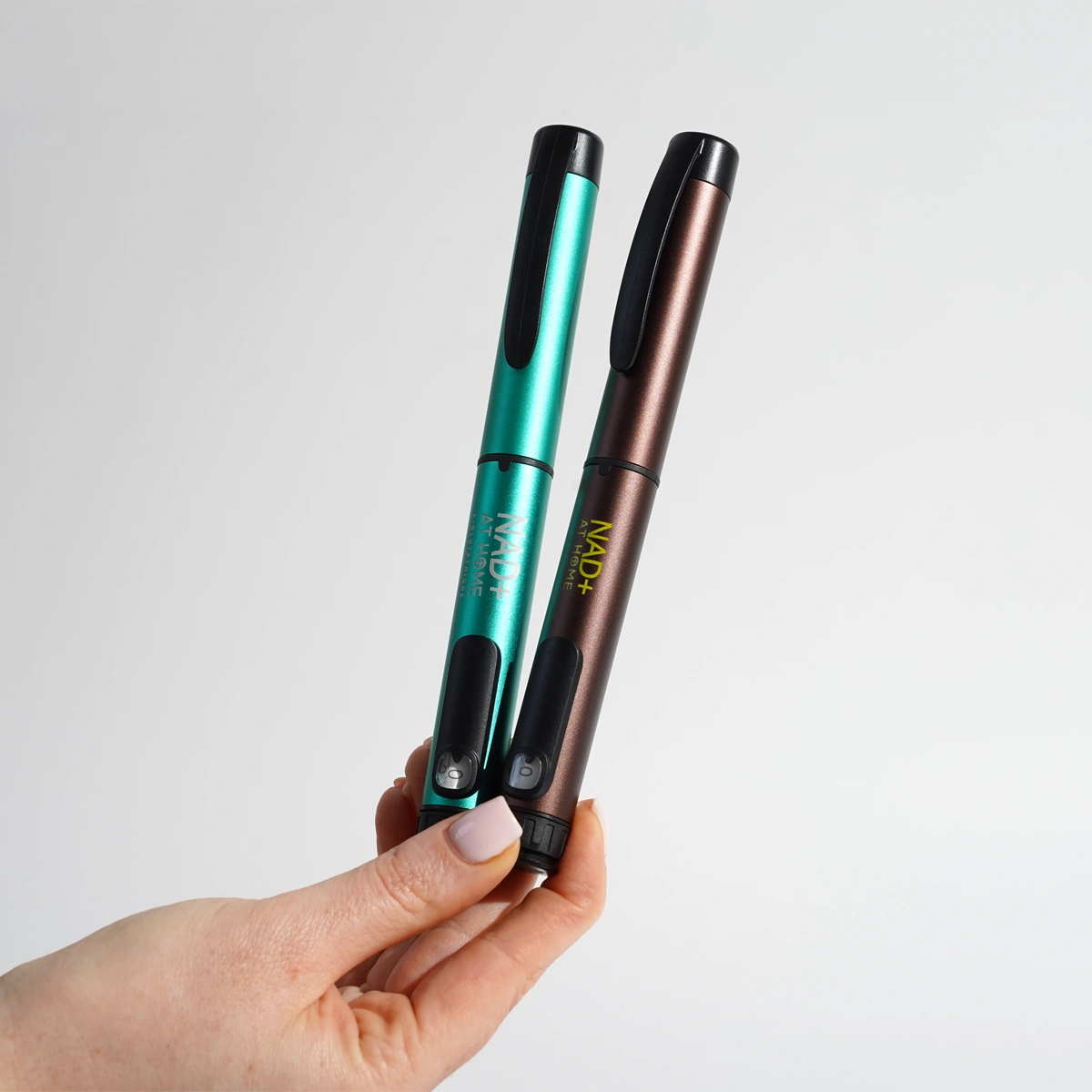
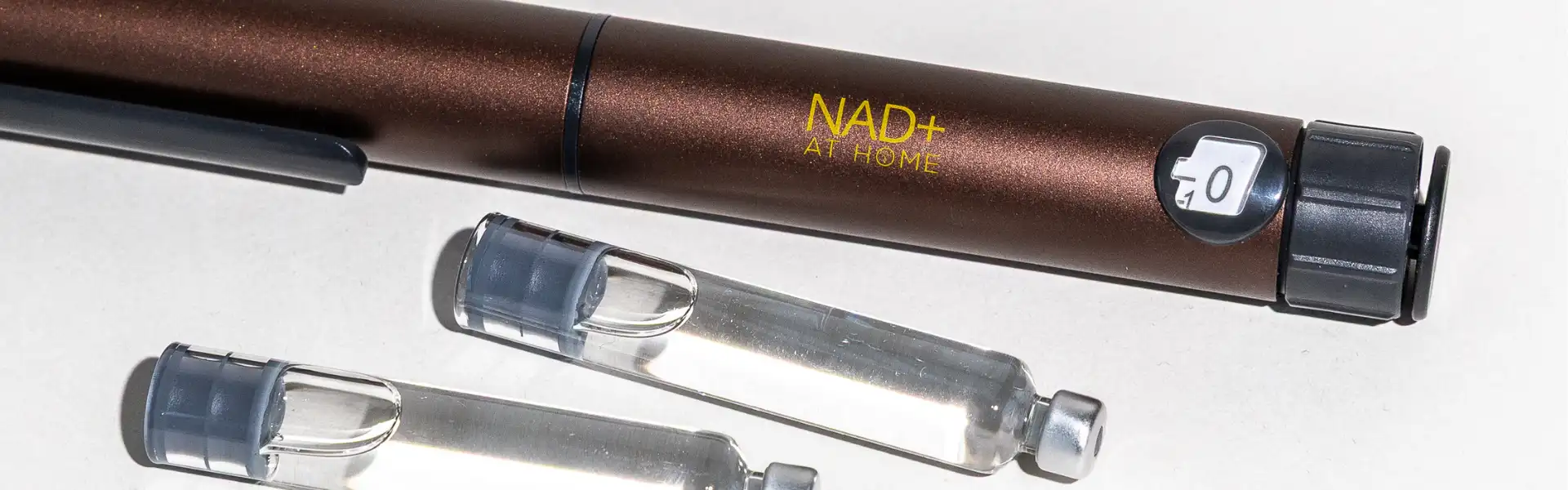
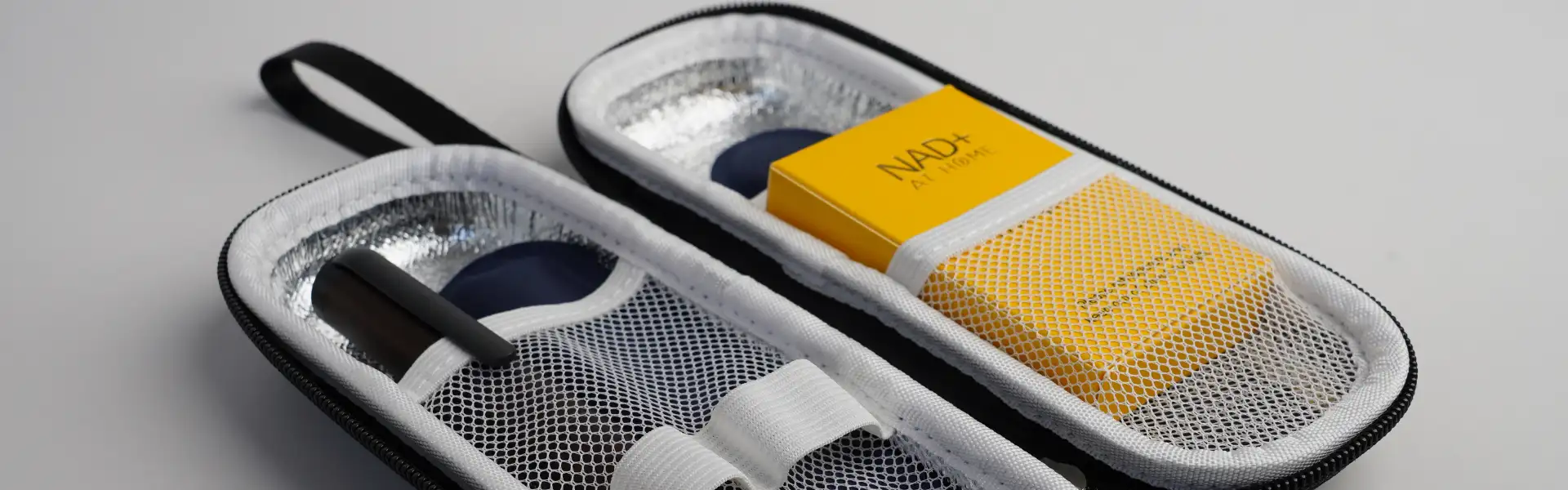
Injectable NAD+
NAD+ injections offer a more direct method of delivery and are generally considered the gold standard in terms of bioavailability. By bypassing the digestive system, they allow for faster absorption, which may lead to a more noticeable effect for some individuals.
Both approaches can be an effective way of supplementing NAD+, and the best option often depends on individual preferences, lifestyle, and goals.
Who Is This Most Relevant For?
NAD+ support may be particularly relevant for a range of individuals, including:
People over 35
NAD+ levels naturally begin to decline with age, typically becoming more noticeable from around the late 30s onwards. This often coincides with the early visible signs of skin ageing, such as reduced elasticity and slower skin renewal.
Wellness and longevity-focused individuals
Those already focused on optimising their health and supporting long-term wellbeing may find NAD+ a useful addition to their routine, particularly as part of a broader approach to cellular health.
People looking to support skin health
If your goal is to maintain healthier-looking skin or support the natural ageing process, optimising NAD+ levels may play a supportive role alongside other lifestyle factors.
Does NAD+ Improve Skin Health? Limitations and Considerations
While the potential benefits of NAD+ are promising, it’s important to recognise that the science is still evolving. More research, particularly in human studies, is needed to provide definitive conclusions about its effects on skin health.
NAD+ supplementation should not be viewed as a standalone solution. Healthy skin is influenced by a range of factors, including diet, sleep, stress management, and regular exercise. Supplementation is most effective when used to support these established lifestyle foundations.
It’s also important to keep in mind that individual responses can vary. Results are not guaranteed, and improvements are typically gradual rather than immediate. The most effective approach is to incorporate NAD+ as part of a consistent, long-term routine that supports overall health and wellbeing.
Find Out More About NAD+ and Skin Health
NAD+ plays a role in several natural processes within the body that are linked to skin health, including energy production, cellular repair, and inflammation regulation. Supporting NAD+ levels may help optimise how these processes function over time.
While supplementation can be a useful tool, it is most effective when combined with a balanced lifestyle that includes good nutrition, quality sleep, and regular exercise.
If you’d like to learn more about NAD+ and how it may support your skin and overall wellbeing, or if you have any questions about our products, the NAD+ At Home team is here to help.
Related Blogs
Check out our latest lifestyle articles.
Georgina Glenn • September 24th 2026
Georgina Glenn • September 18th 2026
Georgina Glenn • August 11th 2026
Georgina Glenn • September 24th 2026
Georgina Glenn • September 18th 2026
About the author:


 English (UK)
 Arabic
 Spanish
 German
 French
 English (United States)
 English (Australia)