


Une peau saine ne consiste pas seulement à paraître plus jeune, elle reflète souvent votre bien-être général.
Lorsque votre peau semble nette, hydratée et éclatante, cela peut être le signe que votre corps fonctionne bien et maintient un équilibre interne. Il existe de nombreuses façons de favoriser une peau d'apparence plus saine. Ces dernières années, le NAD+ a suscité de plus en plus d'attention dans le contexte de la lutte contre le vieillissement et de la santé de la peau, à mesure que de plus en plus de personnes se concentrent sur la longévité et l'optimisation de leur bien-être général.
Le NAD+ est étroitement lié à la fonction cellulaire, c'est pourquoi il est devenu pertinent dans les discussions sur la santé de la peau. Comprendre ce qu'est le NAD+, comment il soutient le corps et comment il peut influencer la peau peut vous aider à prendre des décisions plus éclairées quant à son incorporation dans votre routine.
Qu'est-ce que le NAD+ ?
NAD+ signifie nicotinamide adénine dinucléotide. C'est une coenzyme naturelle présente dans chaque cellule du corps. Contrairement à de nombreux ingrédients anti-âge topiques, le NAD+ agit au niveau cellulaire, soutenant les processus essentiels qui maintiennent l'efficacité de vos cellules.
L'un de ses rôles principaux est la production d'énergie cellulaire. Le NAD+ est impliqué dans la fonction mitochondriale, souvent appelée la “ centrale énergétique ” de la cellule, où les nutriments des aliments sont convertis en énergie utilisable.
En plus de la production d'énergie, le NAD+ joue également un rôle dans :
- Supporting cellular repair processes
- Regulating inflammation
- Maintaining metabolic function
- En raison de son implication dans ces processus fondamentaux, le NAD+ est étroitement lié à la santé cellulaire globale, ce qui peut avoir un effet d'entraînement sur la façon dont le corps et la peau fonctionnent au fil du temps.
Comment se produit le vieillissement de la peau
Le vieillissement cutané est un processus naturel influencé par plusieurs facteurs biologiques, notamment :
Production de collagène
Le collagène est une protéine structurelle clé qui aide à maintenir la fermeté et l'élasticité de la peau. À partir de la mi-vingtaine environ, la production de collagène diminue progressivement, ce qui peut entraîner avec le temps l'apparition de ridules, une réduction de l'élasticité et un amincissement de la peau.
Stress oxydatif
Le stress oxydatif survient lorsqu'il y a un déséquilibre entre les radicaux libres et les antioxydants dans le corps. Les radicaux libres peuvent endommager les cellules et l'ADN, contribuant à l'inflammation, au teint terne et aux signes visibles du vieillissement.
Activité cellulaire réduite
Avec l'âge, les processus cellulaires deviennent moins efficaces. Les cellules de la peau se renouvellent et se réparent plus lentement, entraînant une accumulation de cellules vieillissantes. Cela peut affaiblir la structure de la peau et affecter des protéines telles que le collagène et l'élastine, essentielles au maintien de la fermeté et de l'élasticité.
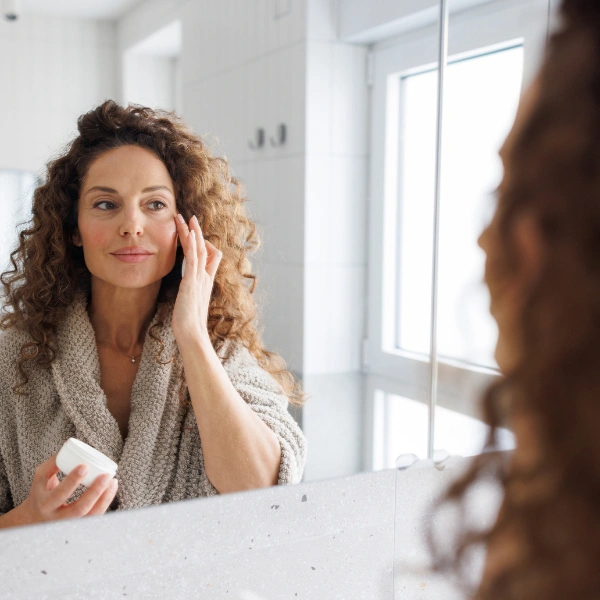

La relation entre le NAD+ et la peau
Parce que le NAD+ est présent dans chaque cellule, il joue un rôle important dans le maintien de la santé globale de la peau. Son implication dans des processus cellulaires clés signifie qu'il peut contribuer au fonctionnement et à la réparation de la peau au fil du temps.
Renouvellement cellulaire
Une peau saine dépend du renouvellement cellulaire continu, un processus où les anciennes cellules sont remplacées par de nouvelles. Cela aide à maintenir une apparence lisse et éclatante.
Ce processus nécessite une énergie cellulaire importante. Le NAD+ soutient la production d'ATP (la principale source d'énergie du corps), qui aide à alimenter le renouvellement cellulaire et la fonction globale de la peau.
Processus de réparation
Le NAD+ est également impliqué dans la réparation de l'ADN en activant des enzymes connues sous le nom de PARP. Ces enzymes aident à identifier et à réparer les dommages cellulaires.
Lorsque les processus de réparation deviennent moins efficaces, les dommages peuvent s'accumuler au fil du temps, contribuant aux signes visibles du vieillissement tels que les ridules et les rides.
Régulation de l'inflammation
Bien que l'inflammation soit une réponse naturelle et nécessaire, une inflammation chronique de bas grade peut affecter négativement la santé de la peau.
Le NAD+ joue un rôle dans la régulation des voies inflammatoires, soutenant une réponse immunitaire plus équilibrée et contribuant à une peau plus saine au fil du temps.
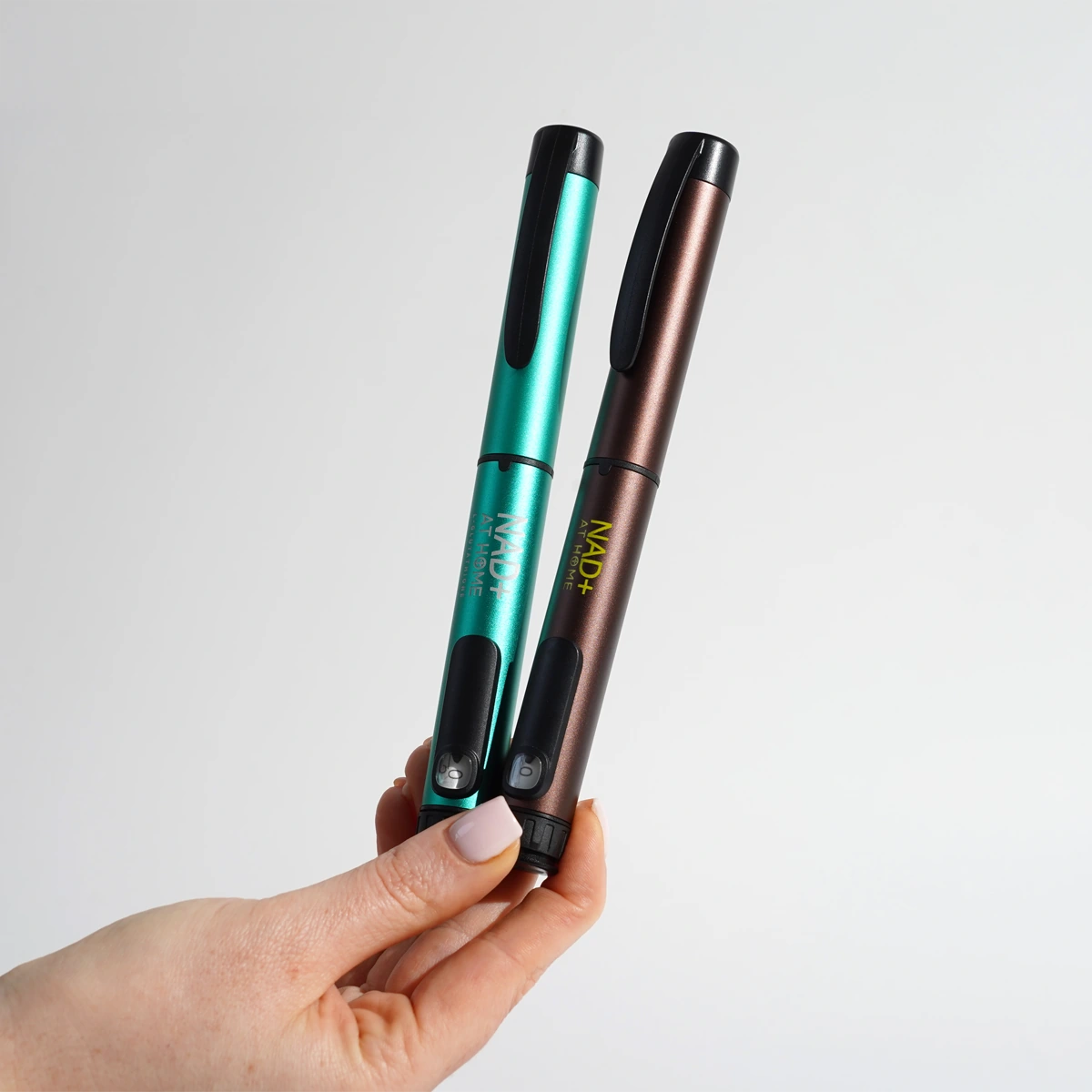

Le NAD+ améliore-t-il la santé de la peau ?
Bien que la recherche soit encore en cours de développement, le NAD+ est associé à plusieurs avantages potentiels pour la santé de la peau, en grande partie grâce à son rôle dans le soutien de la fonction cellulaire.
- Elasticité de la peau: Le NAD+ intervient dans les processus liés à la production de collagène et d'élastine, deux protéines clés responsables du maintien de la fermeté et de l'élasticité de la peau. Soutenir ces processus peut aider à améliorer la structure globale de la peau au fil du temps.
- Texture de la peau: Le NAD+ joue également un rôle dans le maintien de la barrière cutanée. Cela inclut le soutien de la production de composants tels que les céramides, les acides gras et les protéines structurelles. Une barrière fonctionnelle aide à maintenir l'hydratation de la peau, réduit la sensibilité et contribue à une apparence plus lisse.
- Apparence de la peau: Par son rôle dans la fonction mitochondriale, le NAD+ soutient la production d'énergie cellulaire. Lorsque les cellules de la peau ont suffisamment d'énergie, elles peuvent fonctionner plus efficacement, ce qui peut contribuer à un teint plus vibrant et sain, ainsi qu'à une meilleure résilience face aux facteurs de stress environnementaux, y compris l'exposition aux UV.
Ce que la recherche suggère
Les études sur le NAD+ et la santé de la peau sont encore émergentes, avec des résultats prometteurs.
Une étude de 2024 ont constaté que les femmes utilisant un supplément contenant du nicotinamide riboside (un précurseur du NAD+) ont signalé une amélioration de la douceur de la peau, une réduction des rides et une meilleure récupération cutanée. Un autre de la même année suggéré que l'amélioration des niveaux de NAD+ pourrait améliorer la production de collagène et d'élastine, entraînant une meilleure élasticité et fermeté de la peau.
La plupart des études jusqu'à présent ont porté sur des animaux. Une étude sur des souris en 2021 avait des preuves préliminaires que le NAD+ favorisait une réorganisation plus organisée du collagène, ce qui pourrait améliorer l'apparence des cicatrices et aider à les prévenir.
Moyens de soutenir les niveaux de NAD+
Il existe plusieurs façons de soutenir les niveaux de NAD+, ce qui peut aider à optimiser les processus cellulaires liés à la santé de la peau.
Mode de vie
Les niveaux de NAD+ peuvent être soutenus naturellement par des choix de mode de vie. Deux des facteurs les plus importants sont l'alimentation et l'exercice.
Régime alimentaire
Une alimentation équilibrée incluant des aliments riches en nutriments peut aider à soutenir la production naturelle de NAD+ par l'organisme. Ceux-ci comprennent :
- Whole grains
- Lean meats
- Fish
- Nuts
- Eggs
Ces aliments fournissent des nutriments clés impliqués dans la production d'énergie cellulaire et les processus métaboliques.
Exercice
L'activité physique augmente la demande énergétique du corps, ce qui peut aider à stimuler une production d'énergie plus efficace au niveau cellulaire. L'exercice régulier est également associé à une amélioration du sommeil, une réduction du stress et une amélioration de la santé métabolique globale, qui peuvent tous soutenir indirectement les niveaux de NAD+.
Supplémentation
La supplémentation peut être un moyen utile de soutenir les niveaux de NAD+ dans le cadre d'une routine de bien-être cohérente.
Compléments oraux
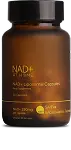
La N.A.D.+ orale peut offrir une option pratique et accessible. Nos formulations fournissent des doses significatives (souvent autour de 250 mg), contribuant à soutenir les niveaux de N.A.D.+ et la fonction cellulaire globale au fil du temps. Elles sont particulièrement utiles pour maintenir la cohérence au sein d'une routine quotidienne.
NAD+ injectable
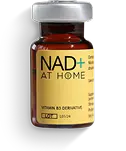
Injections de NAD offrent une méthode d'administration plus directe et sont généralement considérés comme la référence en matière de biodisponibilité. En contournant le système digestif, ils permettent une absorption plus efficace, ce qui peut entraîner un effet plus perceptible chez certaines personnes.
Les deux approches peuvent être efficaces, et la meilleure option dépend souvent des préférences individuelles, du mode de vie et des objectifs.
Pour qui est-ce le plus pertinent ?
Le soutien du NAD+ peut être particulièrement pertinent pour diverses personnes, notamment :
Les personnes de plus de 35 ans
Les niveaux de NAD+ commencent naturellement à diminuer avec l'âge, devenant généralement plus perceptibles à partir de la fin de la trentaine. Cela coïncide souvent avec les premiers signes visibles du vieillissement cutané, tels qu'une perte d'élasticité et un ralentissement du renouvellement cellulaire de la peau.
Individus axés sur le bien-être et la longévité
Ceux qui cherchent déjà à optimiser leur santé et à soutenir leur bien-être à long terme pourraient trouver le NAD+ utile dans leur routine, en particulier dans le cadre d'une approche plus globale de la santé cellulaire.
Les personnes cherchant à soutenir la santé de leur peau
Si votre objectif est de maintenir une peau d'apparence plus saine ou de soutenir le processus de vieillissement naturel, l'optimisation des niveaux de NAD+ peut jouer un rôle de soutien aux côtés d'autres facteurs de style de vie.
Le NAD+ améliore-t-il la santé de la peau ? Limites et considérations
Bien que les avantages potentiels du NAD+ soient prometteurs, il est important de reconnaître que la science est encore en évolution. Davantage de recherches, en particulier chez l'homme, sont nécessaires pour tirer des conclusions définitives sur ses effets sur la santé de la peau.
La supplémentation en NAD+ ne doit pas être considérée comme une solution autonome. Une peau saine dépend d'une multitude de facteurs, notamment l'alimentation, le sommeil, la gestion du stress et l'exercice régulier. La supplémentation est plus efficace lorsqu'elle est utilisée pour soutenir ces bases établies du mode de vie.
Il est également important degarder à lesprit que les réponses individuell peuvent varier. Les résultats ne sont pas garantis, et les améliorations sont généralement graduelles plutôt qu'immédiates. L'approche la plus efficace consiste à intégrer le NAD+ dans le cadre d'une routine cohérente et à long terme qui soutient la santé et le bien-être général.
En savoir plus sur le NAD+ et la santé de la peau
Le NAD+ joue un rôle dans plusieurs processus naturels du corps liés à la santé de la peau, notamment la production d'énergie, la réparation cellulaire et la régulation de l'inflammation. Soutenir les niveaux de NAD+ peut aider à optimiser le fonctionnement de ces processus au fil du temps.
Bien que la supplémentation puisse être un outil utile, elle est plus efficace lorsqu'elle est combinée à un mode de vie équilibré comprenant une bonne nutrition, un sommeil de qualité et une activité physique régulière.
Si vous souhaitez en savoir plus sur le NAD+ et comment il peut soutenir votre peau et votre bien-être général, ou si vous avez des questions sur nos produits, L'équipe NAD+ à domicile est là pour vous aider.
Blogs associés
Consultez nos derniers articles sur le mode de vie.

Georgina Glenn • juillet 23rd 2026
Georgina Glenn • 2 juillet 2026
Georgina Glenn • 18 juin 2026
Georgina Glenn • juillet 23rd 2026
Georgina Glenn • 2 juillet 2026

 English (UK)
  Arabic
  Spanish
  German
  French
  English (United States)
  English (Australia)