


Did you know that one in three UK adults say they experience high levels of stress often? But is all stress always inherently bad for us, or are there any positives?
In this article, we’re going to take a closer look at types of stress, how chronic stress affects health, and if مكملات NAD+ have a role to play in managing stress.
Is All Stress Bad?
There are plenty of times in life when you are faced with a stressful situation, such as a job interview, running a marathon or delivering an important presentation at work.
Most people might view the fact that these can cause stress as a bad thing. In fact, not all stress is bad for you because there is more than one type of stress.
There are actually two major types of stress: good stress (eustress) and bad stress (distress).
Stress may feel like a more modern phenomenon, but our stress response has evolved to help us survive and adapt. The problems with stress come when it becomes a constant feature in our lives.
What Is Good Stress?
Eustress is a type of stress that you experience when something good happens or is about to happen. Your body’s stress response activates temporarily, which then increases your hormones and causes your heart to beat faster.
This leads you to have more motivation and focus and it will help with your performance. So what triggers good stress? Here are some examples:
- When you exercise
- Learning a new skill
- Playing competitive sports
- Starting a new job
- Public speaking
Going through a challenging period and experiencing stress can help build resilience. You see what you are capable of, can push yourself and get a sense of accomplishment.
What Is Bad Stress?
Bad stress, or distress, is when you experience stress for long periods, and it is based on negativity.
Common causes of bad stress include:
- Poor sleep
- Illness
- Relationship and work difficulties
- Financial issues
- Family responsibilities
In these cases, stress can be bad if the activation of your stress response isn’t temporary. You remain at that heightened state and never come back down to recover properly. Over time, chronic stress can grind you down, causing an array of symptoms.
How Chronic Stress Affects the Body
Chronic stress can have a range of effects on your body, including:
- Consistently elevated cortisol levels, impacting your immune system, metabolism and brain
- Chronic fatigue
- Poor concentration
- Mood swings due to being stressed, anxious and tired
- Reduced exercise recovery as the stress response is putting demand on your body
- Weakened immune function, leading to more illnesses
- Increased inflammation
- Lowered energy levels
If chronic stress occurs for a long period of time and is left unmanaged, the risk of experiencing these health effects increases.
Why Recovery Is Just As Important As Resilience
Recovery is about much more than reducing stress. With proper recovery, you can get much more out of your day and improve your body’s ability to better cope with future stressors.
As part of recovery, you should:
- Get quality sleep: Sleep gives your body time to recover.
- Move your body: Gentle movement stops your body from stiffening up.
- Eat healthier for your body: Balanced nutrition provides your body with the fuel it needs to help with healing processes.
- Stay hydrated: Making sure we’re hydrated is a non-negotiable, and it supports the body’s healing processes.
- Spend time outside: Time in nature and with the sun on your face helps lower cortisol.
- Connect with other people: Spending time with friends and family helps reduce psychological stress.
Try practising mindfulness: For people always on the go, meditation and deep breathing can be hard to get into at first. But it can really help keep a calm mind and encourage relaxation, so it’s worth trying.
Practical Ways to Create a Healthier Stress Balance
There are things you can do to gain more balance and give yourself recovery time.
Set realistic boundaries: Having ‘me’ time and setting boundaries so you are not always on the go can help you relax and have periods of calm.
- Watch your caffeine: Caffeine can increase stress in your body, stimulating your central nervous system.
- Reduce screen time before bed: Blue light before sleep keeps you more alert, disrupting your ability to rest.
- Schedule recovery time: Recovery is important. It’s okay to do nothing and give your body time to heal and allow you to process stressful times before moving on.
- Build enjoyable hobbies into your week: Putting things you enjoy throughout the week gives you something to look forward to, can act as a reward and motivation and gives you time to experience some good stress.
- Don’t ignore early signs of burnout: This is what happens when we ignore stress, and it’s unhealthy to ignore. If you think you’re getting to a point of being burnt out, book a GP appointment.
The Role of Cellular Health in Managing Everyday Stress
We are made up of cells. To function well, for your heart to beat, muscles to move, and thoughts to occur, your cells need energy. With more cellular energy, you’ll likely feel better overall.
Every cell that we have in the body relies on NAD+ for energy. It helps create fuel for cells and carries energy, aiding in numerous bodily processes as well as having many other benefits.
As we age, though, NAD+ levels decrease, meaning that cell energy can also dip. This dip in cellular energy means that normal biological processes that help maintain your health happen less efficiently, slowing you down.
Healthy lifestyle habits such as resting well, eating a balanced diet and exercising regularly can help keep your NAD+ levels up and cellular energy where it should be. Many people interested in health also incorporate NAD+ supplements into their wellness routine.
Research into the effectiveness of NAD+ continues to evolve, and individual results vary from person to person. What’s important is that you are safe and find a wellness routine that works for you.
Find Out How NAD+ Can Help with Stress
Stress isn’t the great enemy of modern life. Sometimes, stress can be good for you and help you build resilience and grow. When stress is chronic, though, that is when you may experience harmful health effects.
Employing small daily habits like eating well and exercising can help reduce stress and enhance recovery. Looking after yourself, both physical and cellular health, can help you form a balanced wellness approach with long-term impacts.
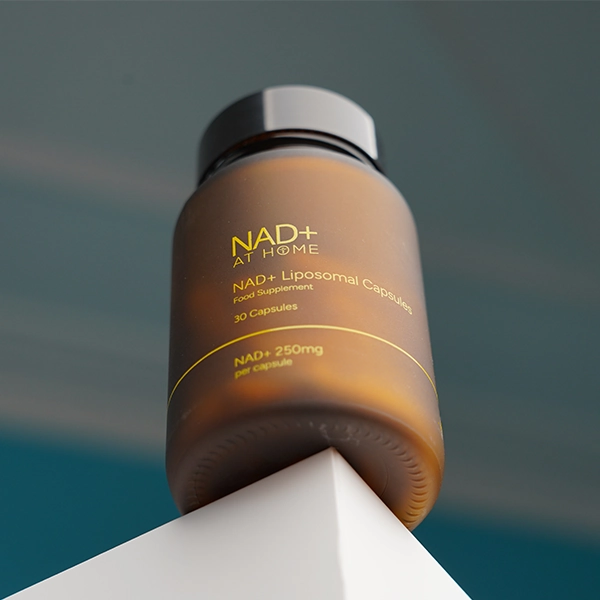
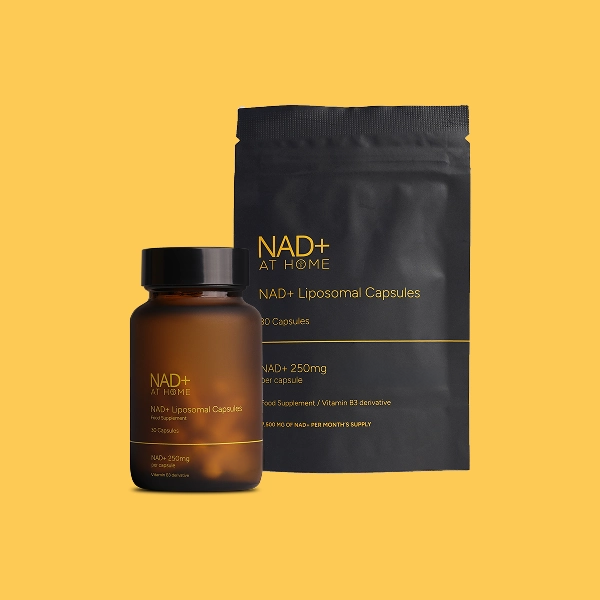
If you want to know more about cellular health and stress or are interested in our range of products, such as our NAD+ Liposomal Capsules, NAD+ At Home has plenty of wellness resources available.
Head on over to our FAQ page to find out more about healthy ageing and how we at NAD+ At Home can help.






 English (UK)
  Arabic
  Spanish
  German
  French
  English (United States)
  English (Australia)