

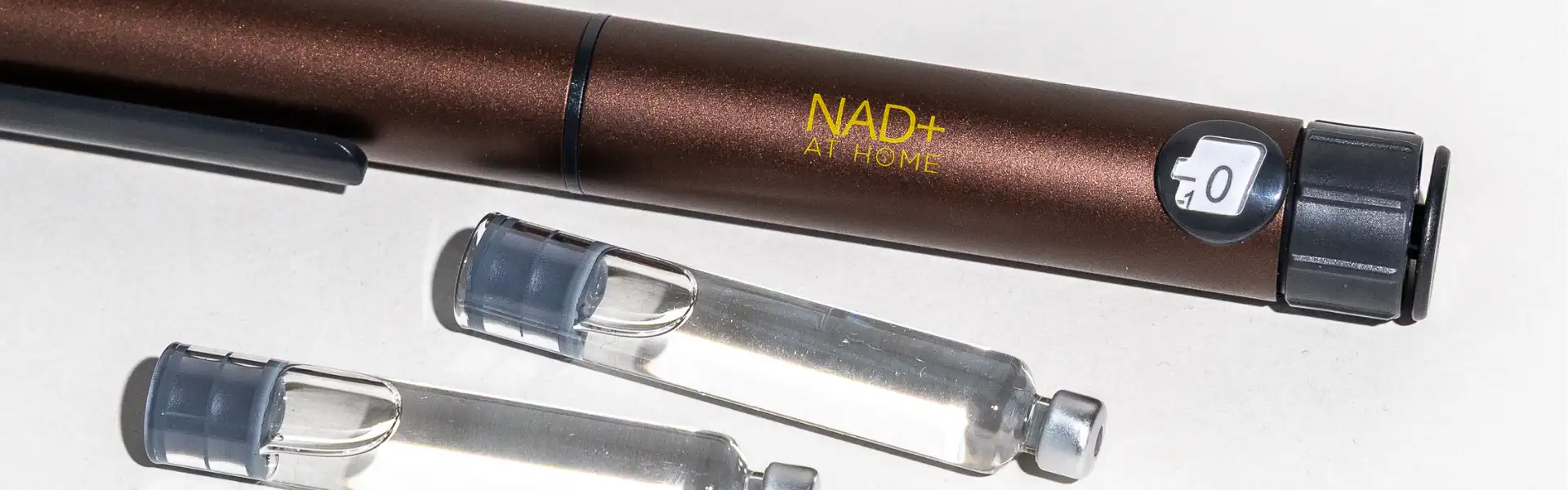
If you’ve been using NAD+ injections as part of your wellness routine, you might have noticed that they come with a unique physical sensation. While mild discomfort at the injection site can be common for some people, severe or worsening symptoms should never be ignored.
Understanding the mechanisms behind the injections and knowing what to look for can help you to distinguish between temporary irritation and signs that might require more attention. Here, we reveal more.
What Are NAD+ Injections?
NAD is a naturally occurring coenzyme that’s found in every living cell. It plays a major role in energy metabolism, mitochondrial function, and various biological processes that support overall cellular health. This makes NAD+ therapy a popular addition to many wellness routines.
Typically, there are three primary delivery methods:
- Subcutaneous injections, which are administered using a small needle into the fatty tissue layer just beneath the skin. This allows for convenient and direct absorption at home.
- Intravenous infusion, which is delivered into a vein over an extended period and usually requires clinical supervision.
- Oral supplements, which are ingested via capsules or liquids and rely on the digestive system for absorption.
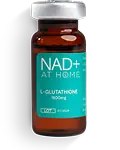
NAD+ AT HOME offers subcutaneous products that provide a direct delivery method designed for straightforward home administration. This approach bypasses the GI tract and eliminates the need for lengthy clinic visits.
Can NAD+ Injections Sting or Burn?
The short answer is yes, they can cause a mild stinging sensation. Some people do experience mild stinging, burning or aching during or immediately after an injection. The physical act of piercing the skin can also cause discomfort, but this varies from person to person and should only ever be temporary.
There are a few reasons why you might experience injection discomfort:
- Chemical formulation: Injectable solutions often have a slightly different pH level compared to human tissue. This means that when liquid enters the subcutaneous tissue, it can trigger a brief and localised burning sensation.
- Solution temperature: Injecting a solution that’s straight from cold storage can cause the tissue in your skin to contract and lead to increased stinging. If appropriate for the solution, consider allowing it to come to room temperature.
- Volume and speed: Injecting too quickly or introducing large amounts of it at once can increase localised tissue pressure and temporary pain.
- Site sensitivity and rotation: Repeatedly injecting into the same spot can cause micro-trauma to the area as well as tissue irritation and scar tissue.
Remember, individual reactions will also depend on unique pain thresholds, skin sensitivity and administration technique, so every experience may be different!
Is Mild Stinging Normal?
Brief and minor discomfort at the injection site can happen with almost any subcutaneous procedure. This includes stinging when the fluid enters your body, slight redness around the puncture point, mild tenderness and a small amount of swelling.
However, while common, it doesn’t mean every reaction should be ignored. If a reaction feels unusually painful or radiates away from the site, you should get in touch with a professional.
How Long Should Injection-Site Discomfort Last?
Mild irritation from an injection is usually expected to settle down quickly instead of becoming worse. Unfortunately, there isn’t a set timeframe for this, as doing so could be unhelpful, as individual recovery times vary.
Just remember that infection discomfort should never be severe and it should improve slowly rather than get worse. If you are worried about any reaction or it recurs with increasing discomfort after every infection, pause your routine and get advice.
Things That Might Make Your Skin Sting After Injecting
There are a few reasons why your skin might become super sensitive to injections or you might experience some nasty reactions.
- Compromised skin: You should never inject into skin that’s bruised, inflamed, swollen, scarred, broken or already tender.
- Storage issues: If you expose your injectables to light or leave them sitting in extreme temperatures, they can change in ways that might cause irritation.
- Injection mishaps: If you don’t follow the instructions that come with the product, it may cause unnecessary pain.
- Modifying the product: Don’t dilute it, mix it with other things, or heat it up. This could introduce contamination.
- Routine changes: Don’t alter your dose, administration frequency or routine without proper guidance.
When Should You Seek Medical Advice?
While mild sensations can happen and are common, it’s important to understand the warning signs of a more serious reaction, including an allergic response. This is very rare, as NAD molecules are naturally occurring enzymes in your body!
It’s important that you get in touch with a medical professional quickly if you notice:
- Pain that increases rather than subsiding
- Redness that spreads outward from the injection point
- A red line that tracks away from the injection site
- Skin that feels hot to the touch or shows significant and persistent swelling
- Any signs of pus, fluid discharge or localised tissue breakdown.
- An elevated body temperature, fever or chills

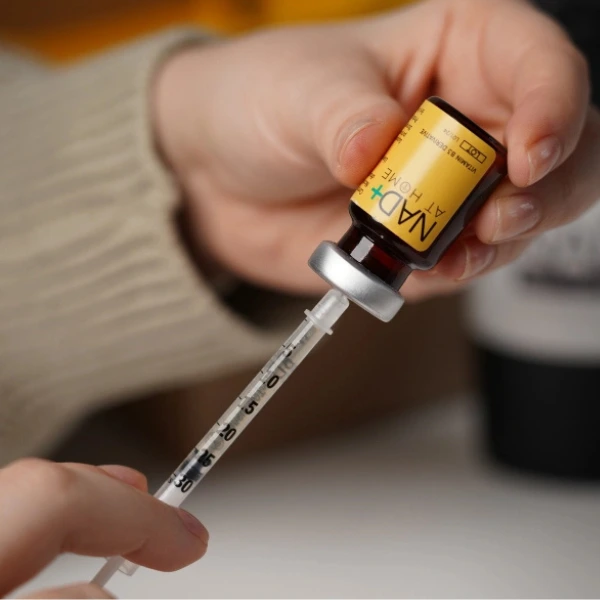
Signs of a severe allergic reaction include a widespread skin rash, hives, swelling of the face, lips, tongue or throat, difficulty breathing or wheezing, severe dizziness or faintness. If you suspect you or someone you care for is experiencing any of these symptoms, call 999 immediately.
You should never try to manage these symptoms on your own or see if they reduce. Stop using the product immediately and get professional care.
Using At-Home NAD+ Products
To ensure the safest and most comfortable experience with any at-home injection products, you should follow strict standards of administration and hygiene. This includes:
- Follow the official instructions
- Wash your hands and clean the administration site with a fresh alcohol wipe
- Use a new and sterile syringe and needle
- Never share equipment
- Rotate injection sites
- Store the product exactly as indicated on the packaging
- Immediately dispose of used needles in an approved sharps container.
If you have questions about safety and administration, NAD+ At Home provides access to registered nurses who help guide customers through proper protocols. Plus, if you encounter any difficulties or discomfort, our team is here to assist you.
Learn More About NAD+ AT HOME
Whether you are exploring options for your wellness routine or looking for guidance on how to administer safely, we can help. Explore our full range of products and delivery options, or contact our clinical team if you’re experiencing any discomfort.

 English (UK)
  Arabic
  Spanish
  German
  French
  English (United States)
  English (Australia)